The Malê Revolt of 1835: The Forgotten Story of Brazil's Muslim Scholars
When most people think of Salvador da Bahia, on Brazil's northeastern coast, they imagine colorful colonial houses, the rhythm of African drums, and golden beaches. Few would guess that this city was once home to a community of Muslim scholars who read the Quran, wrote in Arabic script, and fasted during Ramadan, all while living under the brutal system of slavery. Their story reached its dramatic peak on a single night in January 1835, in an event known as the Malê Revolt.
Islam Arrives in Brazil in Chains
Between the 16th and 19th centuries, Brazil received more enslaved Africans than any other country in the Americas; historians estimate the number at roughly four to five million people. Among them were many Muslims from West Africa, particularly from regions that are part of today's Nigeria, Benin, and neighboring countries. Some were Hausa, others were Yoruba (called Nagô in Brazil), and some came from other West African peoples with long Islamic traditions.
Many of these Muslims had been educated in Quranic schools before they were captured. They could read and write Arabic, knew parts of the Quran by heart, and understood the principles of Islamic law. In a colonial society where most free people, including many wealthy landowners, could not read at all, it was a remarkable irony: some of the most literate people in Salvador were enslaved Africans writing in the language of the Quran.
Who Were the Malês?
In Bahia, African Muslims came to be known as Malês. The word is generally traced to the Yoruba term imale, meaning Muslim. The Malês formed a close-knit community. They met secretly in private homes to pray, study, and teach Arabic to new converts. They wore white clothing on important occasions, and many carried small leather pouches containing slips of paper with verses from the Quran, which they believed offered spiritual protection.
Their teachers, sometimes called alufás (from the Yoruba word for a Muslim scholar), held great respect within the community. Some were enslaved, others had managed to buy their freedom. Through their teaching, the community preserved its faith and identity, even as the colonial authorities tried to erase both.
A Night During Ramadan
The uprising was carefully planned for the night of January 24 to 25, 1835. That date fell during the month of Ramadan, near the blessed nights at the end of the month when Muslims seek Laylat al-Qadr. According to the historian João José Reis, whose research remains the most detailed study of the revolt, the organizers chose this sacred time deliberately, believing it would give strength and meaning to their struggle for freedom.
Roughly 600 people took part, a large number for a city of that period. However, the plan was reported to the authorities a few hours before it was due to begin, and soldiers moved against the rebels before they could fully organize. Fighting continued through the night in the streets of Salvador. By morning, the revolt had been defeated.
The Arabic Papers Left Behind
What happened next is what makes the Malê Revolt so important for historians today. When police searched the homes of suspected participants, they found prayer boards, Arabic manuscripts, prayer books, and amulets containing Quranic verses. Officials could not read these documents and were alarmed by them. Many were preserved in court records, and they now form one of the most valuable collections of Islamic writing ever produced in the Americas.
The punishments were severe. Several leaders were sentenced to death, many others were flogged or imprisoned, and hundreds of free Africans were deported back to Africa. Afterwards, the authorities increased their surveillance of African Muslims, and the community was forced deeper into secrecy.
A Traveler from Baghdad
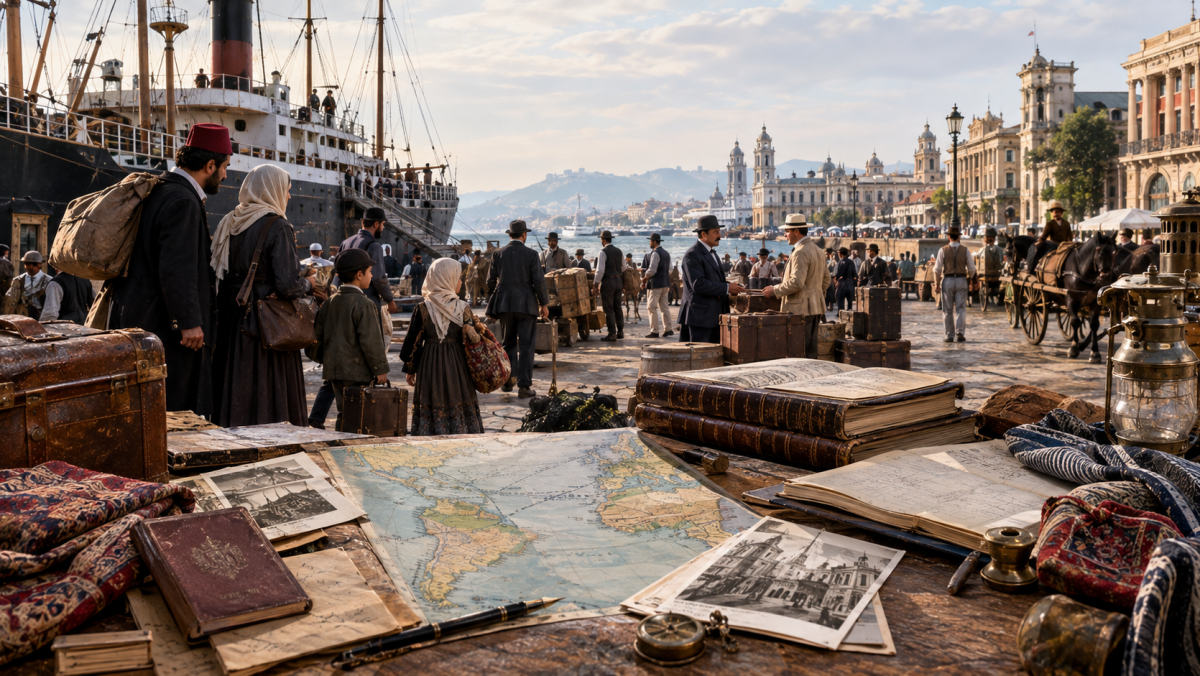
Remarkably, the story did not end in 1835. About three decades later, in the 1860s, an Ottoman religious scholar named Abd al-Rahman al-Baghdadi arrived in Rio de Janeiro aboard an Ottoman naval ship. He was astonished to find African Muslims in Brazil who were still practicing their faith quietly. He stayed for a period to teach them, and he later wrote a travel account in Arabic describing his experience. His book is one of the earliest Arabic-language descriptions of South America, and a precious link between the Arab world and the Muslims of Brazil.
Why This Story Matters Today
Brazil finally abolished slavery in 1888, the last country in the Americas to do so. Today, the Malê Revolt is increasingly recognized in Brazil as a symbol of resistance, dignity, and the courage of people who refused to give up their faith or their humanity.
For Arab readers and travelers, this history offers a powerful reminder that the story of Islam in Latin America is far older than most people realize. It did not begin with modern migration; it began centuries ago, in the hearts of Africans who carried the Quran across the ocean in their memory. When you walk through the historic Pelourinho district of Salvador, remember that these same streets once heard the quiet recitation of Arabic prayers, in secret, during the long nights of Ramadan.