Frozen in Time: The Architecture and Soul of Old Havana
There is a profound, almost poetic beauty found in cities where time seems to have stood entirely still. In the Arab world, one might wander through the ancient, labyrinthine alleys of the Medina of Fez or gaze up at the towering, centuries-old mud-brick houses of Sana'a, feeling an immediate, tactile connection to the past. These spaces survive not by aggressively modernizing, but by preserving the deep-rooted soul of their ancestors. Across the globe, resting on the edge of the Caribbean Sea, lies a city that evokes this exact same sense of timelessness: Havana. Specifically, its historic core, known as Habana Vieja (Old Havana). Characterized by a mesmerizing blend of grand colonial architecture, sun-faded facades, and a vibrant, unyielding community spirit, Old Havana is a living museum that tells the story of the New World’s most vital historical crossroads.
The Key to the New World
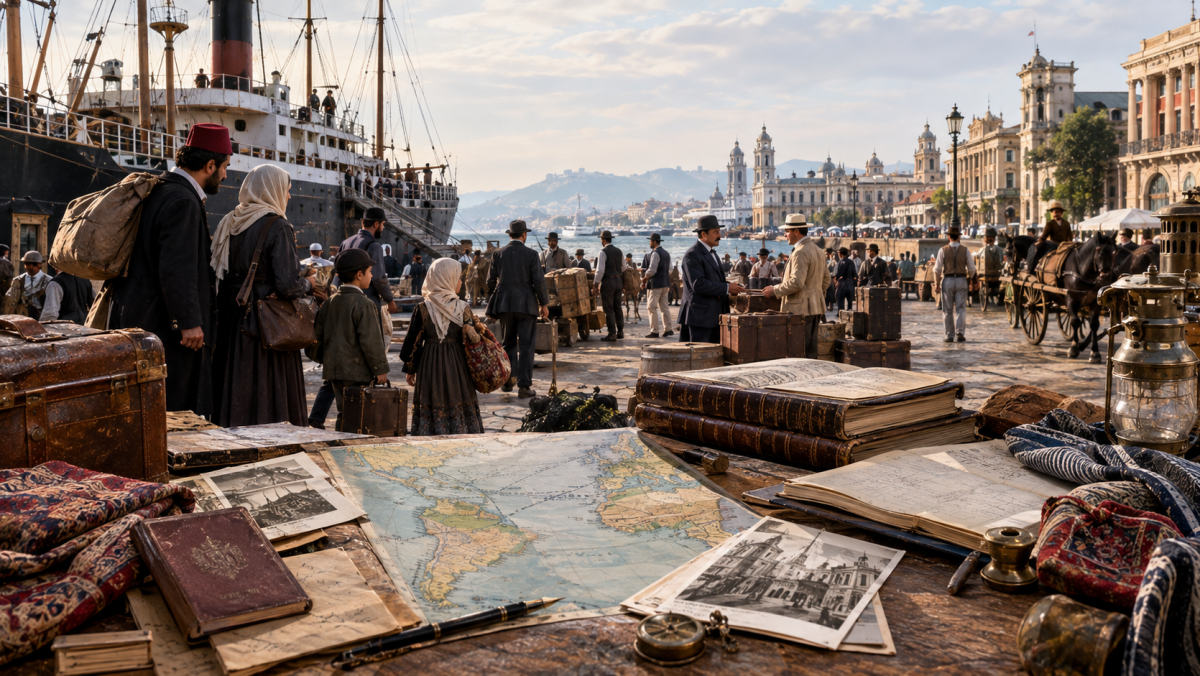
To understand the sheer architectural density and grandeur of Old Havana, one must look at its foundational purpose. Founded by the Spanish in 1519, Havana was perfectly positioned along the Gulf Stream. It quickly became the ultimate maritime hub of the Americas. Before the legendary Spanish fleets attempted the perilous journey back across the Atlantic to Europe, ships laden with Andean silver, Mexican gold, and exotic spices would gather in the protected bay of Havana.
Because of this immense concentration of wealth, the Spanish Crown poured resources into the city. It was officially granted the
Title:"Key to the New World and Bulwark of the West Indies." The city rapidly transformed into the largest shipbuilding center in the Caribbean and a booming metropolis of merchants, sailors, and nobility. Much like the great historical trading ports of Alexandria or Basra, Havana became a cosmopolitan melting pot where wealth funded the construction of magnificent civic buildings, churches, and palatial mansions.
Echoes of Al-Andalus: The Mudéjar Influence
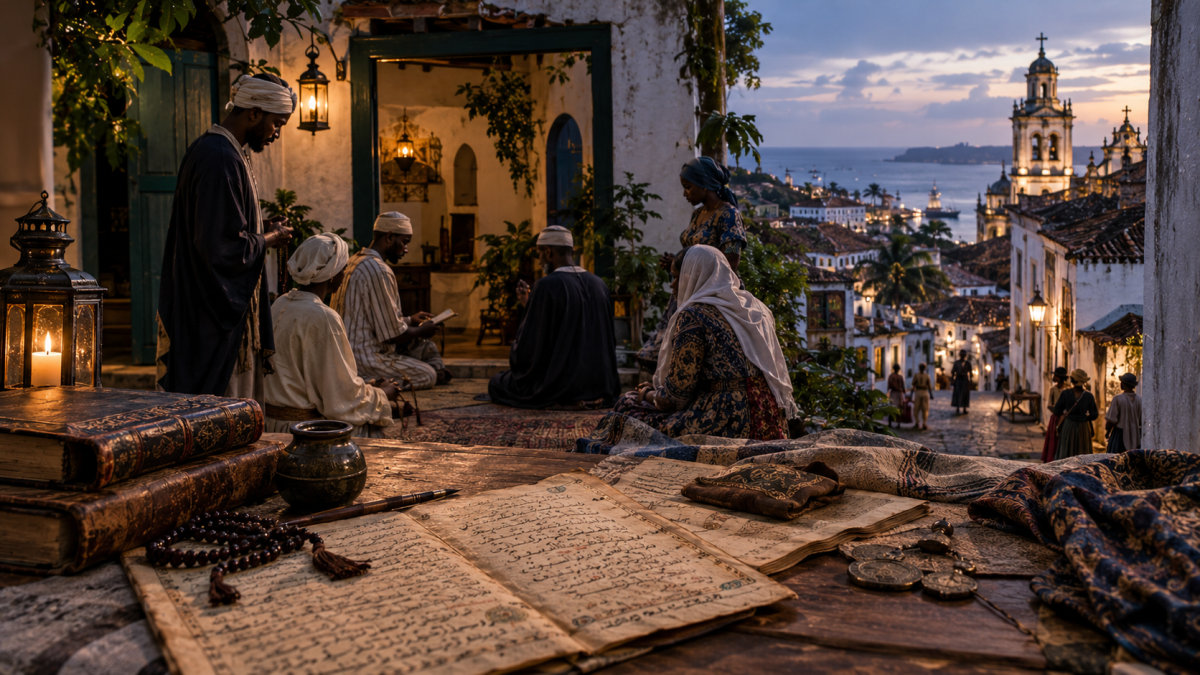
For the Arab traveler or historian walking through the streets of Old Havana, the architectural language of the city will feel intimately, deeply familiar. When the Spanish arrived in the Americas, they brought with them nearly eight centuries of Moorish cultural and architectural heritage from the Iberian Peninsula. This Islamic influence, known as Mudéjar architecture, is woven into the very fabric of Old Havana.
The traditional colonial mansions in Havana are designed with a profound respect for privacy and family life, mirroring the traditional courtyard homes found throughout the Middle East and North Africa. The exteriors present thick, imposing walls to the chaotic street, but stepping through the heavy wooden doors reveals a tranquil inner courtyard (a patio). These courtyards act as a cooling thermal chimney for the home, often featuring central stone fountains, lush tropical plants, and shaded colonnades.
Furthermore, the ceilings of these grand homes are often crafted from intricately carved, interlacing wooden beams, a direct descendant of Islamic geometric woodworking. The walls and floors are frequently adorned with colorful, patterned ceramic tiles. Even the Spanish word for these tiles, azulejos, is derived from the Arabic word al-zillij. The wooden lattice balconies that hang over the narrow streets, designed to catch the sea breeze while protecting the modesty of the home’s inhabitants, are an unmistakable Caribbean adaptation of the traditional Arab mashrabiya.
The Plazas: The Beating Heart of the Community
Unlike the chaotic, organic growth of many ancient cities, Old Havana was deliberately designed around a series of grand, open-air plazas. These squares served distinct civic, religious, and military purposes, acting as the beating heart of the community—much like a traditional midan (public square) in an Arab city.
There are four main plazas that anchor the historic district. The Plaza de Armas is the oldest, originally serving as the city’s military parade ground and the seat of the colonial government. The Plaza de la Catedral is defined by its breathtaking Cuban Baroque architecture, dominated by the Cathedral of Havana with its asymmetrical bell towers and swirling limestone facade, built from fossilized marine coral. The Plaza Vieja (Old Square) was the bustling commercial hub, once filled with merchants and open-air markets, while the Plaza de San Francisco served as the primary welcoming point for the ships unloading their cargo from the bay. These plazas were, and remain, communal spaces where the rigid boundaries of class and background dissolve, bringing the community together in shared daily life.
A Beautiful Decay and the Spirit of Resilience
What truly sets Old Havana apart from other historical cities is its unique state of preservation. Following the Cuban Revolution in 1959 and the subsequent decades of severe economic embargoes, the city was largely cut off from the massive influx of foreign capital that drove the rampant, modern development seen in other global capitals.
There are no towering glass skyscrapers or massive corporate billboards in Old Havana. Instead, the city underwent a slow, beautiful decay. The salt air and tropical humidity battered the baroque facades, leaving behind peeling pastel paint and crumbling stucco. Yet, this lack of modern development accidentally preserved the colonial streetscape entirely intact.
Living amidst this decaying grandeur requires immense resilience. In Arab culture, the concept of Sumud (steadfastness) is highly revered—the ability to endure hardship with dignity, relying on the strength of one's community and family. The people of Old Havana embody this trait perfectly. Behind the crumbling facades are vibrant, tightly-knit communities. Neighbors share resources, repair infrastructure together, and maintain a deeply communal lifestyle that has largely been lost in more individualized, modern societies.
The Master of Restoration
Recognizing the unparalleled historical value of the city, UNESCO designated Old Havana a World Heritage site in 1982. This sparked a monumental, ongoing restoration project, spearheaded for decades by the late Dr. Eusebio Leal Spengler, the official Historian of the City of Havana.
Under his visionary leadership, a unique model was implemented: the revenues generated from tourism in the restored hotels and restaurants were directly funneled back into restoring more historical buildings, as well as funding local schools, clinics, and social services for the residents. This ensured that the restoration of Old Havana did not displace its people, but rather uplifted the very community that forms the city's soul.
Conclusion
Old Havana is a city of profound contrasts. It is a place where majestic Spanish colonial architecture is laced with deep Moorish roots; where the shadows of a wealthy, imperial past meet the resilient, communal reality of the present. For those seeking to step out of the frantic pace of the 21st century, the narrow streets and sun-drenched plazas of Habana Vieja offer a sanctuary. It remains a timeless testament to the power of community, the enduring legacy of mixed cultural heritage, and the undeniable beauty found in a city that refuses to let its history fade away.