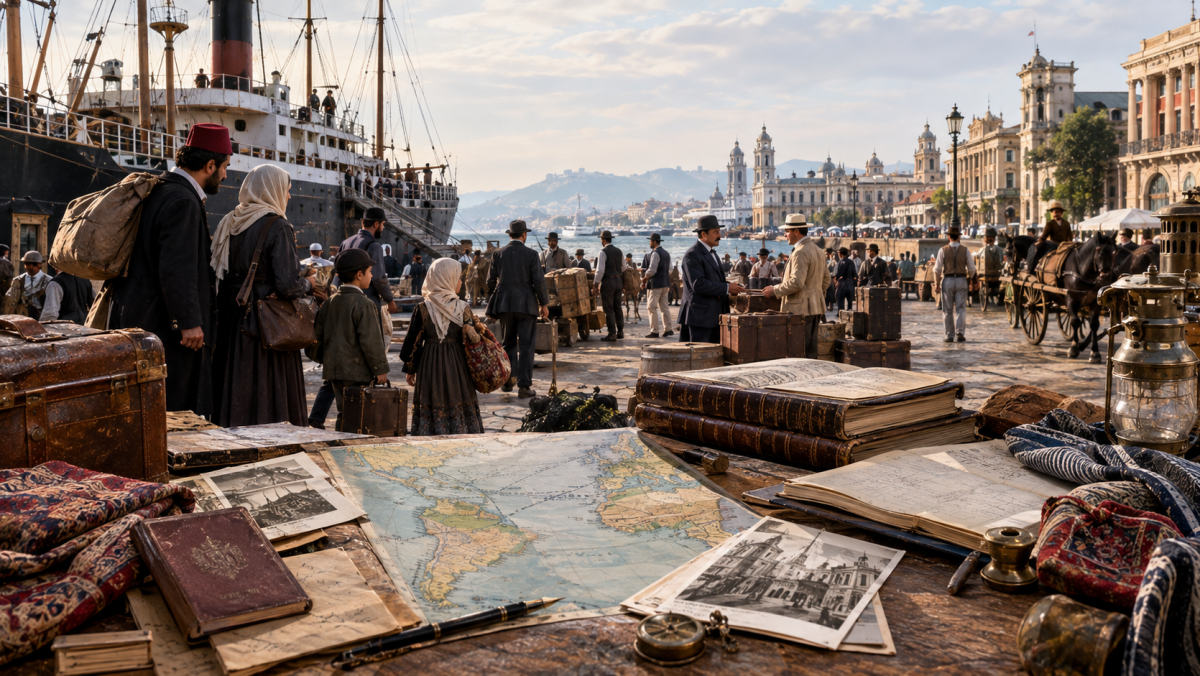
Belize is a multi-ethnic nation, proud of its vibrant history that has seen numerous peoples from around the world come together and continue to find peace and tranquility in this democratic haven. Although Belize's population is approximately 250,000 (according to 2000 estimates), its ethnic diversity reflects the presence of several major ethnic groups living together in harmony and respecting each other's cultures. The Creole proverb, "All a we da wan" (We are all one), encapsulates this sense of unity despite cultural and historical differences, as all populations contribute to the growth and development of the nation.
Mestizos
The Mestizos in Belize trace their roots to Mayan and Spanish cultures, who arrived in Belize after the Caste War in Yucatán, Mexico, in the mid-19th century. Over the years, there have been additional migrations of Mestizos, particularly from neighboring Central American countries, during the civil wars of the 1980s. Today, Mestizos make up about 43% of Belize's population, and this percentage is steadily increasing. As a result of the influence of Spanish-speaking populations in local society, Spanish has become a major means of communication, although it is not widely used in speech or writing.
Creoles
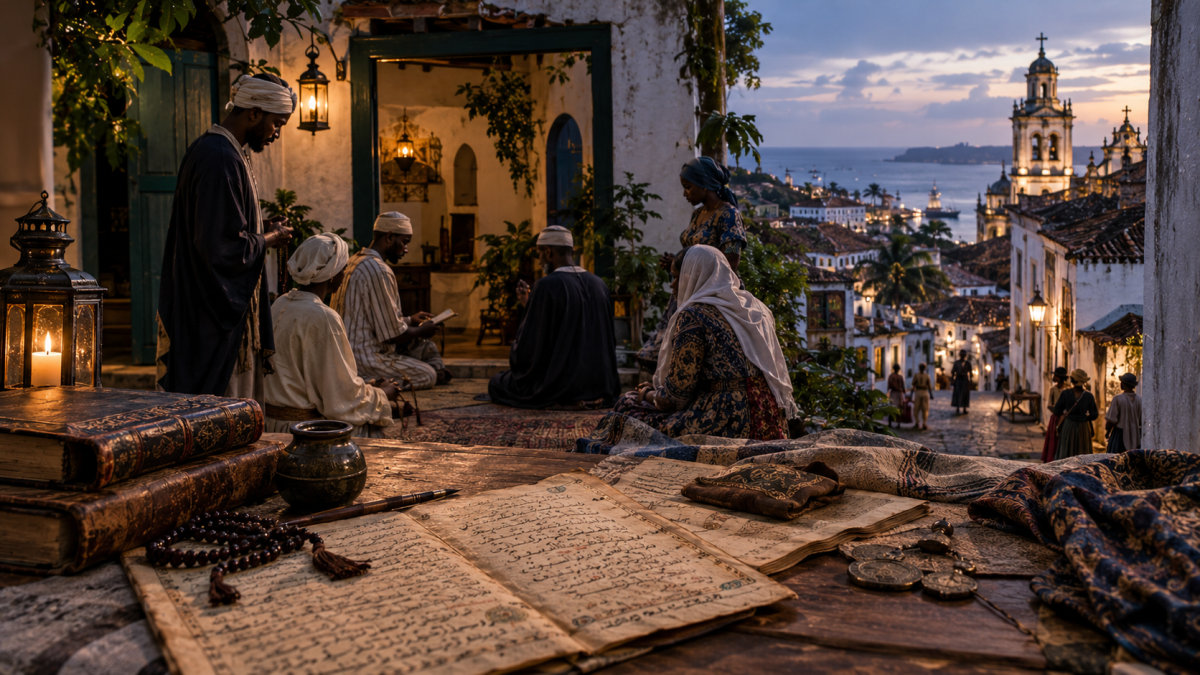
Creoles constitute about 30% of Belize's population and are descendants of Africans and Europeans. Their unique culture emerged from a blend of European and African influences, giving Belize a distinctive Caribbean flavor. Traditional dishes such as rice and beans, stewed chicken, and Creole bread are staples of the Belizean diet. Moreover, Creole, a dialect derived from English and several African languages, has become a symbol of cultural pride in Belize.
Maya
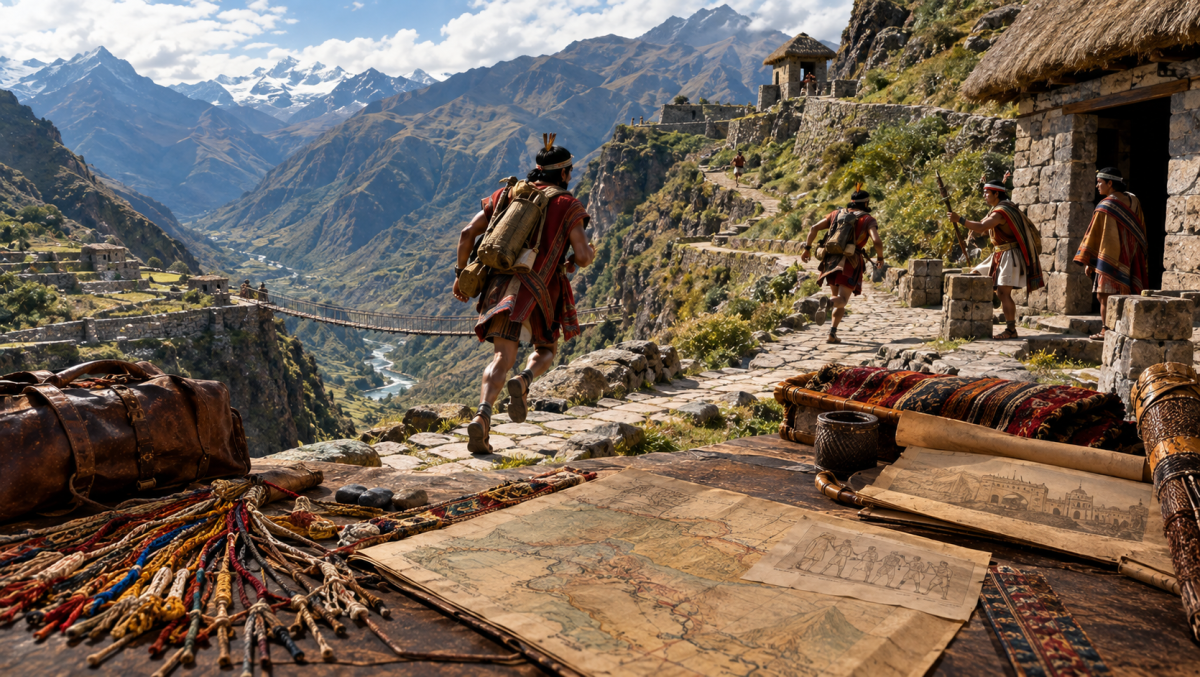
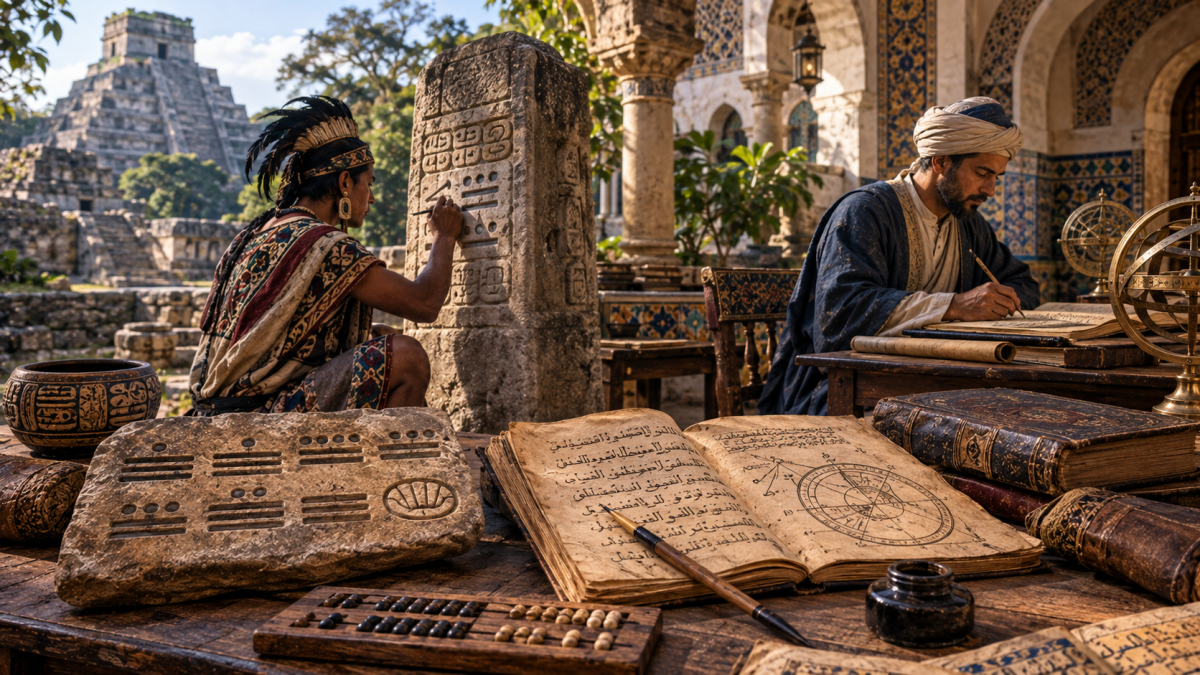
The Maya are the indigenous people of Belize, with a history dating back to pre-Columbian times. At their peak, it is estimated that one million Maya lived in the region. The most prominent Maya groups in Belize are the Kekchi, Mopan, and Yucatec. While the Kekchi and Mopan live primarily in the western and southern regions of Belize, the Yucatec reside in the north due to their migration during the Caste War. Although many Yucatec have adopted Catholicism and Spanish, the Kekchi and Mopan still maintain a lifestyle similar to that of their ancestors. The Maya represent about 11% of Belize's total population.
East Indians
The East Indians in Belize have left their own mark, particularly through Indian labor migration in the late 19th century. These migrants brought with them their traditions and religion, significantly influencing Belizean society.
Mennonites
The Mennonites in Belize are renowned for their agricultural lifestyle, focusing on dairy and livestock production, including poultry, beef, and pork. Belize's livestock industry, especially beef production, has significant export potential and high-income prospects. Furthermore, dairy production could be greatly expanded through investments and modern technology.
Chinese
Although the Chinese community in Belize is small, it has played a significant role in the country's ethnic diversity. The Chinese arrived in Belize in the late 19th century as laborers in sugar cane plantations. Later, the country witnessed two waves of Chinese migration, one after World War II and another in the 1990s when many citizens from the Republic of China (Taiwan) moved to Belize in search of better economic opportunities. Their influence has been particularly important in the aquaculture sector, where they developed a successful freshwater shrimp industry.
Rastafarians
Although the Rastafarian movement in Belize is not highly organized, it represents another cultural expression within Belize's diverse society. Following the Rastafarian movement in the 1970s, and influenced by Bob Marley's impact on Caribbean political consciousness, some Creoles in Belize adopted Rastafarian beliefs, leading politically and spiritually conscious lives and practicing many Rastafarian rituals.