The Stones of the Sky: The Full Story Behind Machu Picchu
Much like the awe one feels when standing before the Great Pyramids of Giza or the magnificent rock-cut facades of Petra, encountering the ruins of Machu Picchu evokes a profound sense of human achievement. Across the globe, ancient civilizations have sought to leave their mark on the earth, transforming forbidding landscapes into enduring monuments of their ingenuity, social organization, and historical legacy. In the heart of the Peruvian Andes, rising nearly 8,000 feet above sea level, lies Machu Picchu—a sprawling stone citadel that represents the absolute pinnacle of the Incan Empire. Shrouded in mist and surrounded by sheer drops into the Urubamba River valley below, it is a place where history and geography intersect in perfect harmony. For centuries, this architectural masterpiece remained hidden from the outside world, preserving a story of a civilization that literally reached for the sky.
The Vision of an Emperor
To understand the full story of Machu Picchu, one must look back to the mid-15th century and the reign of Pachacuti Inca Yupanqui, the ninth ruler of the Inca state. Pachacuti was a transformative leader, often compared to the great empire builders of antiquity, who expanded a small regional kingdom into a vast empire stretching across the western coast of South America. Historical consensus suggests that Machu Picchu was not a standard city or a military fortress, but rather a royal estate built specifically for the emperor, his family, and his most trusted advisors. It was a place of retreat, administrative planning, and deep connection with the natural world.
The site was designed to accommodate approximately 750 to 1,000 people at its peak—mostly royalty, high-ranking officials, and the skilled artisans and agricultural workers necessary to sustain the estate. For the Incas, the mountains themselves were considered monumental entities worthy of great respect. Building a royal sanctuary on this specific, precarious saddle between two peaks was a deliberate architectural choice, aligning the emperor's residence with the powerful natural forces that governed their worldview. It was a physical manifestation of the emperor's leadership and his vision for his people.
The Miracle of Ashlar Masonry
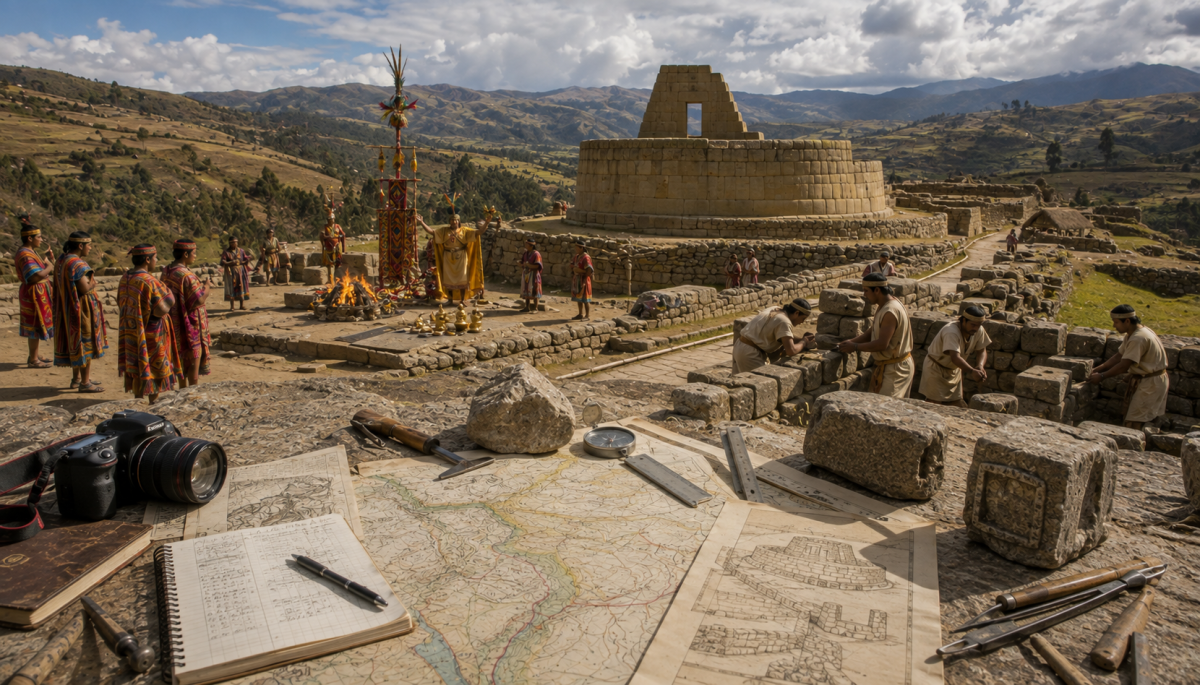
Perhaps the most universally admired aspect of Machu Picchu is the astonishing quality of its stonework. The Inca lacked iron tools, draft animals, and the wheel, yet they constructed walls of heavy granite that have withstood centuries of severe environmental challenges. They achieved this through a technique known as ashlar masonry. In this method, massive stones are cut and shaped with such extraordinary precision that they fit perfectly together without the use of a single drop of mortar.
The stones are interlocked so tightly that not even a blade of grass or a modern credit card can slide between them. This was not merely an aesthetic choice; it was a brilliant engineering necessity. Peru is highly prone to seismic activity. When an earthquake strikes, the mortar-free stones of Machu Picchu are said to "dance"—they bounce through the tremors and then fall exactly back into place once the earth stops moving. Had the Inca relied on rigid mortar, the citadel would have crumbled down the mountainside centuries ago. This level of architectural foresight and mastery commands deep respect, echoing the timeless construction techniques found in the greatest historical structures of the Middle East and North Africa.
Mastering the Mountain: Terraces and Water
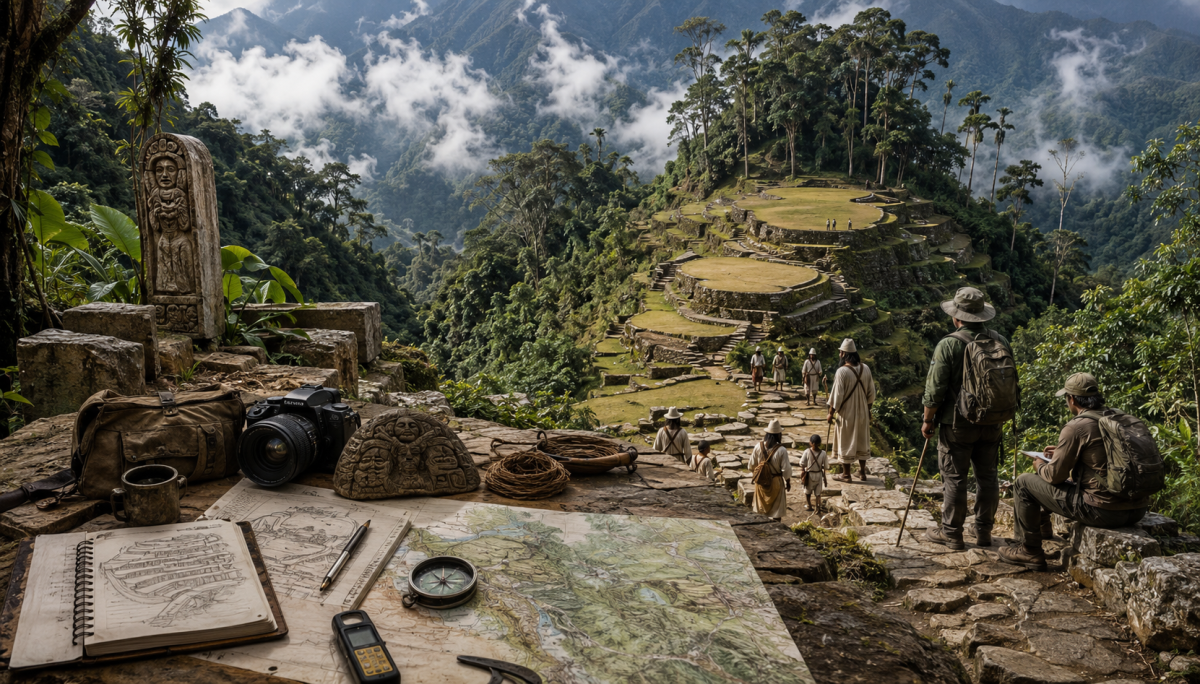
Building a stone city on a mountain ridge is only half the challenge; sustaining life there is another entirely. The Inca were master agriculturists who transformed the steep, inhospitable slopes of the Andes into highly productive farmland. They achieved this through the construction of hundreds of stepped agricultural terraces, which cascade down the sides of the mountain. These terraces served a crucial dual purpose: they provided flat, arable land for growing staple crops like maize and potatoes, and they functioned as a massive retaining wall system that prevented the entire city from sliding away during heavy tropical rains.
Furthermore, the Inca engineers designed a complex, gravity-fed water distribution system. They tapped into a natural spring on the mountain and carved an intricate network of stone canals that carried fresh water through the city. This system supplied the estate's domestic areas first before flowing down to the residential and agricultural sectors. This deep understanding of hydrology and sustainable agriculture allowed the estate to thrive in an incredibly challenging, remote environment, demonstrating a profound respect for the balance of nature.
The Mystery of Abandonment
Despite the immense effort and resources invested in its construction, Machu Picchu was only inhabited for roughly a century. The sudden abandonment of this majestic estate remains one of history's great mysteries. In the 1530s, the Spanish conquistadors arrived in the region, bringing with them political upheaval, war, and devastating foreign diseases, which rapidly decimated the indigenous populations and destabilized the empire.
It is widely believed that the inhabitants of Machu Picchu fled the estate to join the final Inca resistance, or their numbers dwindled due to the broader collapse of the empire's infrastructure, before the Spanish ever reached the immediate area. Because the Spanish never found Machu Picchu, they never had the opportunity to alter or destroy it. The jungle slowly reclaimed the site, covering the masterfully carved stones in thick vegetation, keeping it a protected secret known only to a few local indigenous families living in the valley.
A Legacy Unveiled
The citadel remained largely hidden from global view until 1911, when an American historian named Hiram Bingham was led up the steep mountain paths by a local farmer named Melchor Arteaga. When Bingham broke through the dense jungle canopy and saw the vast, pristine ruins, he introduced Machu Picchu to the world stage. Today, it is recognized as a UNESCO World Heritage site and one of the New Seven Wonders of the World, painstakingly preserved for future generations to study and admire.
Conclusion
Machu Picchu stands today not just as a monument to the Inca Empire, but as a universal symbol of human potential. It reminds us that across different continents and eras, human beings possess the extraordinary ability to overcome monumental challenges through community effort, meticulous engineering, and a deep respect for the natural environment. The story of these stones in the sky continues to inspire generations, proving that true architectural brilliance can transcend time and endure for eternity.