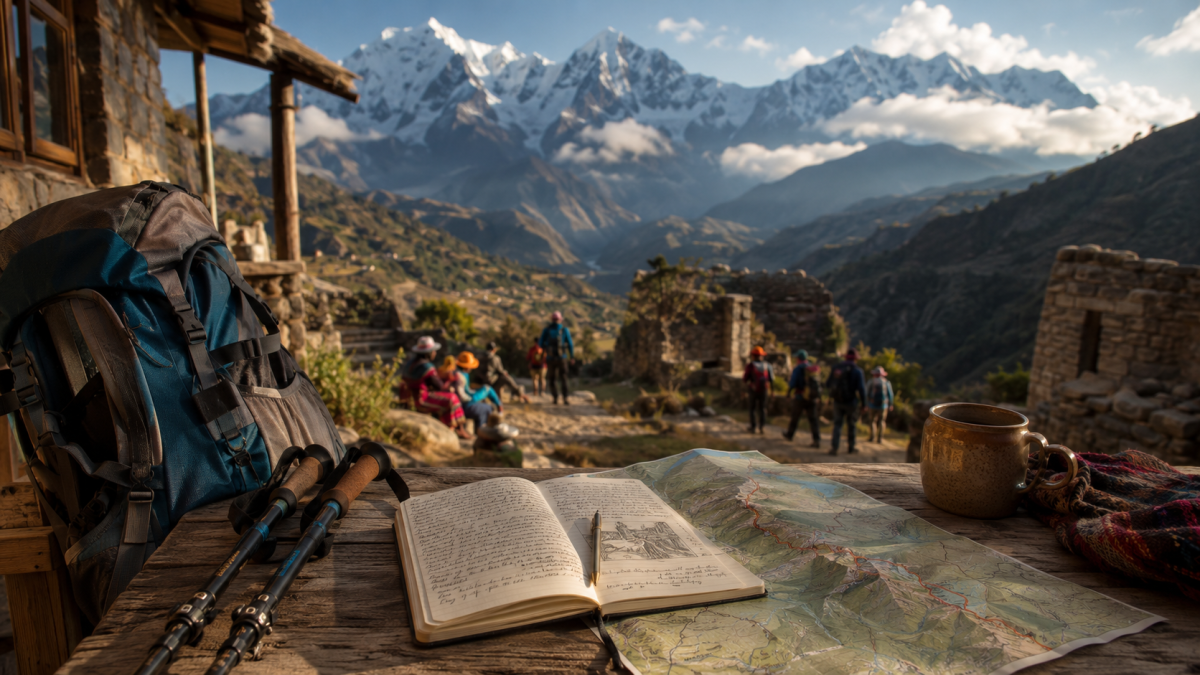
The "Slow Travel" Guide to Peru: Why the 5-Day Salkantay Trek is Better Than the 4-Day Route
In an era where travel is often reduced to ticking off bucket-list destinations as quickly as possible, the "slow travel" movement offers a refreshing counter-narrative. It emphasizes connection over consumption, urging travelers to immerse themselves in the landscapes, cultures, and rhythms of the places they visit. Nowhere is this philosophy more relevant than in the high Andes of Peru. For those planning to hike to the legendary citadel of Machu Picchu, the Salkantay Trek has emerged as the premier, untamed alternative to the heavily regulated Inca Trail.
When booking the Salkantay, travelers are immediately faced with a choice: the condensed 4-day route or the traditional 5-day itinerary. While the 4-day option might appeal to those short on time, adhering to the slow travel ethos demands the 5-day route. Here is a data-driven, experiential breakdown of why taking your time on the Salkantay is the ultimate way to experience the Peruvian Andes.
1. The Reality of Altitude Acclimatization
The most physically demanding aspect of the Salkantay Trek is the crossing of the Salkantay Pass, which sits at a breathless 4,600 meters (15,090 feet) above sea level.
The 4-Day Rush: The shorter itinerary forces hikers to ascend rapidly, often pushing them over the pass on the second day with minimal time for their bodies to adjust to the thinning oxygen. This significantly increases the risk of acute mountain sickness (AMS), turning what should be a majestic experience into a painful endurance test.
The 5-Day Pace: The 5-day route builds in crucial time for acclimatization. Day one usually features a stunning, slower-paced acclimatization hike to the glacial waters of Humantay Lake (4,200 meters). By forcing you to "climb high and sleep low," your body naturally adapts, making the grueling ascent over the Salkantay Pass the next day far more manageable and enjoyable.
2. Experiencing the Microclimates and Cloud Forests
The magic of the Salkantay Trek lies in its dramatic ecological transitions. Hikers move from frozen alpine tundras down into the lush, humid high jungle known as the cloud forest.
The 4-day trek practically sprints through this transition. To save time, tour operators often utilize transport vans to skip large sections of the descent, ferrying hikers directly to the town of Aguas Calientes. In contrast, the 5-day route forces you to walk through the changing ecosystems. You have the time to listen to the vibrant birdlife, observe the wild orchids, and physically feel the air grow warmer and richer with oxygen. This is the essence of slow travel: feeling the earth shift beneath your boots rather than watching it blur by from the window of a minibus.
3. The Coffee Farms of Lucmabamba
One of the greatest cultural losses of the 4-day trek is missing the deep valleys of the high jungle, specifically the area around Lucmabamba. The 5-day itinerary usually includes a night in this fertile region, which is famous for producing some of Peru's finest organic coffee.
Taking the extra day allows you to interact directly with local Quechua farming families. Travelers can participate in the traditional coffee-making process—from picking the red cherries and peeling them, to roasting the beans over an open fire and brewing a fresh cup. This interaction transforms the trek from a mere physical challenge into a meaningful cultural exchange, funneling tourism dollars directly into local agricultural communities.
4. The Hidden Gem: Llactapata Ruins
If there is one definitive reason to choose the 5-day route, it is Llactapata.
What is Llactapata? It is an ancient Inca archaeological site situated on a ridge directly across the valley from Machu Picchu.
Why it Matters: The 4-day route skips this entirely, routing hikers along a flat train track into Aguas Calientes. The 5-day route requires a challenging ascent up the mountainside on day four to reach Llactapata. The reward is profound: an exclusive, distant, and deeply quiet first glimpse of Machu Picchu from a completely different angle than the standard tourist postcards. Standing among the uncrowded ruins of Llactapata, looking across the vast valley at the ancient citadel, provides a moment of spiritual connection that the rushed route completely bypasses.
Conclusion
The impulse to rush through Peru to see as much as possible is understandable, but it ultimately undercuts the transformative power of the Andes. The 5-day Salkantay Trek is not just about adding 24 hours to a schedule; it is about choosing to respect the altitude, honoring the local agricultural traditions, and earning your first glimpse of Machu Picchu through sweat and patience. By embracing the slow travel guide to Peru, you ensure that you don't just see the sacred mountains—you truly experience them.