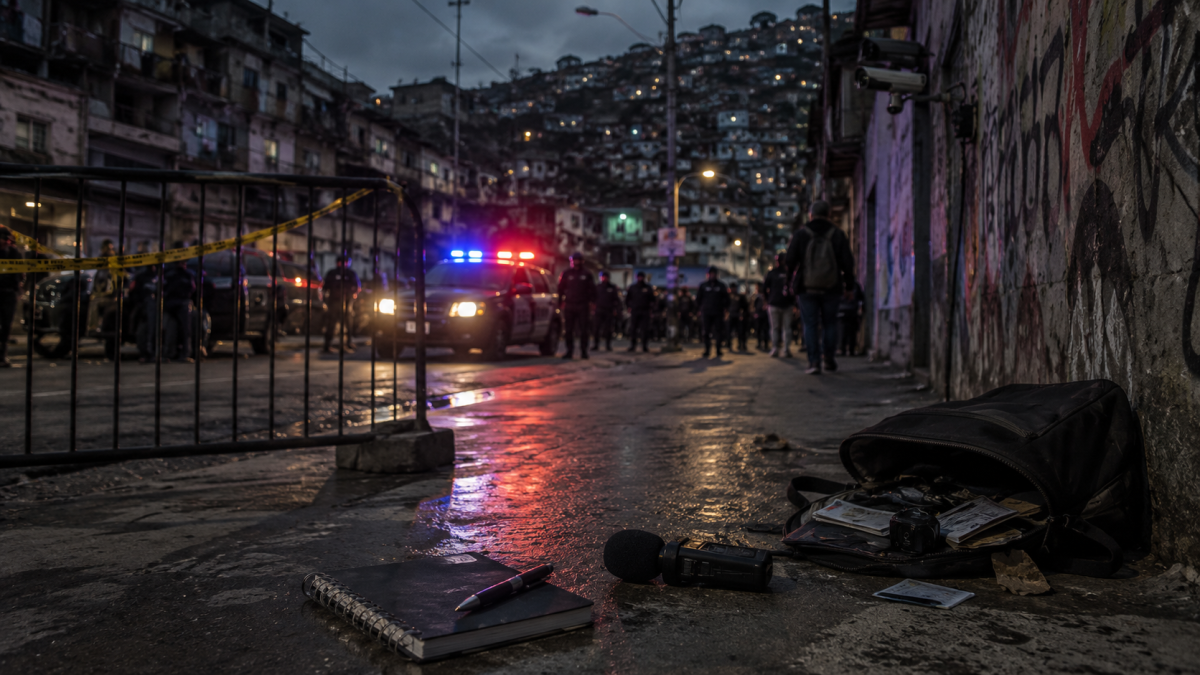
The Shadow Over the Region: Navigating Dangerous Countries and Neighborhoods in Latin America
Latin America is a region of breathtaking paradoxes. While it boasts some of the world's most vibrant cultures, rapidly growing economies, and safest havens for quiet living, it also struggles with some of the most complex and severe security challenges on the planet. Understanding safety in this vast region requires discarding broad stereotypes and adopting a highly nuanced perspective. "Danger" in Latin America is rarely a ubiquitous national condition; rather, it is highly concentrated in specific cities, states, and neighborhoods. It is driven primarily by the lucrative global drug trade, institutional corruption, and stark socioeconomic inequality. To travel, invest, or live in the region safely requires a clear-eyed understanding of where these volatile fault lines exist today.
Ecuador: The Unprecedented Crisis
Perhaps the most dramatic shift in the Latin American security landscape over the past few years has been the rapid destabilization of Ecuador. Historically considered a relatively peaceful Andean nation nestled between Colombia and Peru, Ecuador has recently emerged as the epicenter of transnational organized crime. The country's ports, particularly Guayaquil, have become the primary exit points for cocaine bound for Europe and North America. This logistical advantage has led to vicious territorial wars between local gangs backed by highly financed Mexican and Colombian cartels.
The violence has spilled out of the shipping ports and into surrounding municipalities. The city of Durán, a suburb of Guayaquil, has seen its homicide rate skyrocket, frequently ranking it among the absolute most dangerous cities in the world. Similarly, coastal cities like Manta and Machala have experienced massive surges in violent crime as trafficking routes expand. In these areas, the danger is no longer isolated to rival gang members; extortion, kidnappings, and collateral violence have deeply affected the daily lives of ordinary citizens, prompting the government to frequently declare states of emergency and deploy the military to the streets.
Mexico: The Paradox of Safety and Cartel Violence
Mexico presents the most pronounced contrast between extreme danger and perfect safety in the hemisphere. The country successfully hosts tens of millions of tourists annually in pristine, highly secure resort enclaves like Cancun, Los Cabos, and Puerto Vallarta. However, stepping away from these heavily policed tourist corridors reveals a entirely different reality in several specific states where powerful transnational cartels fight for control of trafficking routes, illegal mining, and local extortion rackets.
States like Zacatecas, Michoacán, and Colima are currently experiencing severe crises of violence. The city of Colima, for instance, has repeatedly held the grim title of the city with the highest homicide rate per capita in the world. Similarly, border cities like Tijuana and interior logistical hubs like Ciudad Obregón (Cajeme) in Sonora remain highly volatile battlegrounds. The danger in these areas is profound and structural, characterized by heavily armed convoys, roadblocks, and violence that often paralyzes local infrastructure. For expatriates and travelers, strict adherence to travel advisories and avoiding nighttime driving on rural highways in these states is an absolute, non-negotiable necessity.
Brazil: Urban Disparities and the Northeast Corridors
Brazil’s security challenges are deeply rooted in its vast urban inequalities and the immense profitability of its domestic and international drug markets. While the country's overall homicide rate has seen periods of decline, violence remains intensely concentrated within specific geographical pockets. Rio de Janeiro remains the most internationally recognized example, where the sprawling favelas (such as Complexo do Alemão and Maré) are frequently the sites of heavy, militarized clashes between competing drug factions, vigilante militias, and the military police. Wandering into these neighborhoods without a trusted local contact is exceptionally dangerous.
However, the statistical epicenter of Brazilian violence has shifted significantly to the country's northeast. Cities like Feira de Santana, Salvador, and Recife frequently appear on modern lists of the world's most violent municipalities. This shift is largely due to the expansion of powerful southern criminal syndicates, like the First Capital Command (PCC), pushing into the northeast to secure new drug transit routes to Europe via Africa. In these urban centers, armed robbery and opportunistic crime are rampant, requiring constant situational awareness even in relatively upscale commercial districts.
Venezuela: Economic Collapse and the Export of Crime
The security situation in Venezuela is fundamentally tied to its prolonged political and economic collapse. While official data is notoriously difficult to verify, Caracas remains one of the most dangerous capital cities on earth. Neighborhoods like Petare—one of the largest slums in South America—operate largely outside the control of the state apparatus, ruled instead by heavily armed local gangs who act as the de facto authorities.
The widespread economic desperation has led to high rates of kidnapping for ransom, armed robbery, and localized extortion. Furthermore, the collapse of the Venezuelan state has allowed massive criminal organizations, most notably the Tren de Aragua, to flourish. This mega-gang has not only consolidated power within Venezuela’s prison system and urban centers but has also expanded its violent operations across the continent, deeply affecting the security landscapes and driving up crime rates in neighboring nations like Colombia, Peru, and Chile.
Colombia and Central America: Shifting Tides
It is impossible to discuss danger in Latin America without addressing Colombia and Central America, regions that historically defined the global narrative of violence. Colombia has made monumental strides since the darkest days of the Medellín Cartel and the peak of the FARC insurgency. While Bogotá and Medellín are now thriving, modernized hubs, extreme caution is still required in specific rural departments—such as Cauca, Arauca, and the Darién Gap region—where dissident guerrilla factions, paramilitaries, and narco-traffickers violently contest territory. The Pacific port city of Buenaventura is a stark example, frequently paralyzed by turf wars between rival factions fighting for control of smuggling routes.
In Central America, the narrative is rapidly shifting. Honduras historically held some of the highest murder rates in the world, specifically in San Pedro Sula and the capital, Tegucigalpa. While it remains a high-risk country requiring intense caution, homicides have seen gradual reductions. However, it continues to struggle with entrenched gang warfare and extortion rackets that cripple local businesses. Conversely, El Salvador, once the undisputed murder capital of the world, has undergone a drastic, highly controversial security crackdown. This campaign has virtually eradicated gang presence on the streets, turning it overnight into one of the statistically safest countries in the hemisphere, albeit at the cost of severe international human rights concerns.
Conclusion
Navigating Latin America safely requires replacing fear with an informed respect for local realities. The danger is real, severe, and frequently lethal, but it is also highly localized. The violence that plagues the cartel battlegrounds of Zacatecas, the contested ports of Guayaquil, or the impoverished favelas of Rio de Janeiro does not bleed into the secure financial districts of Santiago, the peaceful coastal towns of Uruguay, or the heavily guarded resort towns of Mexico. By understanding the specific geopolitical, economic, and historical drivers of crime in these hotspots, one can accurately assess risk, avoid the continent's most perilous corners, and safely experience the immense beauty, culture, and opportunity that the rest of the region provides.