The Pinnacle of Quality: Discover the Countries with the Highest Standard of Living in Latin America for 2026
When evaluating international relocation, investment, or long-term travel, the phrase "cost of living" is often thrown around as the ultimate deciding factor. However, a cheap cost of living means very little if it is accompanied by crumbling infrastructure, poor healthcare, or systemic instability. In 2026, savvy expats, digital nomads, and retirees are looking past the price tag and focusing entirely on the standard of living.
The standard of living encompasses the holistic quality of day-to-day life. It is measured by the Human Development Index (HDI), life expectancy, access to world-class medical care, environmental quality, purchasing power, and the robustness of public education. Latin America has made monumental strides in these areas over the past decade. Today, several nations in the region boast living standards that comfortably rival—and in some aspects exceed—those found in parts of North America and Western Europe.
If you are seeking the absolute highest standard of living in Latin America in 2026, the conversation is largely dominated by two distinct champions, closely followed by two highly specialized contenders.
1. Chile: The Undisputed Statistical Champion
If we are relying strictly on hard data and the United Nations' Human Development Index (HDI), Chile is the country with the highest standard of living in Latin America. It is the only country in the region that consistently teeters on the edge of being classified as a fully developed nation.
The Infrastructure and Economy:
Chile’s standard of living is immediately apparent when you land in the capital, Santiago. The city features a highly modern, incredibly efficient underground metro system, sleek skyscrapers, and flawlessly paved highways that connect the arid north to the glacial south. Chile’s economy is the most stable and open in South America, boasting dozens of free-trade agreements globally. This economic openness translates to high purchasing power; residents have access to imported goods, advanced technology, and international brands at competitive prices.
Healthcare and Education:
Chile offers a dual healthcare system. The private sector (ISAPRE) provides medical facilities equipped with state-of-the-art technology and internationally trained specialists. For expats and wealthier locals, the quality of care is indistinguishable from top-tier hospitals in the United States, but at a significantly lower cost. Furthermore, Chile’s higher education system is highly respected, producing a highly skilled and bilingual workforce that drives the country's booming tech and green energy sectors.
2. Uruguay: The Champion of Equality and Social Well-Being
While Chile might win on raw GDP and shiny skyscrapers, Uruguay takes the crown when evaluating the standard of living through the lens of social equity, peace, and baseline human well-being. Uruguay is famously known for having the largest middle class in the Americas and the lowest extreme poverty rate in the region.
The Social Fabric:
A high standard of living is deeply tied to feeling secure in your environment. Uruguay is the most peaceful and least corrupt country in Latin America. The wealth distribution is highly egalitarian, meaning you do not see the extreme, jarring divides between ultra-rich neighborhoods and sprawling slums that often characterize other developing nations. This social harmony creates an incredibly relaxed, low-stress day-to-day existence.
Public Services and Digital Life:
Uruguay’s public services are exceptional. The country provides free, high-quality public education through the university level. Furthermore, the government has heavily subsidized digital infrastructure; Uruguay boasts some of the fastest and most reliable internet speeds in the Western Hemisphere. The country also runs on almost 100% renewable energy. The air is clean, the water is safe to drink straight from the tap in major cities, and the local diet—heavy on high-quality, pasture-raised agriculture—contributes to excellent overall public health.
3. Costa Rica: The Leader in Longevity and Environmental Health
Standard of living is not just about wealth; it is about health, happiness, and longevity. By these metrics, Costa Rica is a global heavyweight. The country famously hosts one of the world's five "Blue Zones" (the Nicoya Peninsula), where residents statistically live longer, healthier lives than almost anywhere else on the planet.
Healthcare and Lifestyle:
Costa Rica's high standard of living is anchored by its universal healthcare system, known as the Caja Costarricense de Seguro Social (CCSS). The system is highly ranked by the World Health Organization, focusing heavily on preventative care. For residents and expats who also utilize the private sector, facilities like CIMA Hospital in San José offer JCI-accredited care (the highest global standard in healthcare).
Environmental Wealth:
The Costa Rican government has fiercely protected its natural resources, resulting in a standard of living that is deeply connected to nature. Access to clean air, dense rainforests, and pristine beaches is not a luxury; it is a daily reality. The national emphasis on a stress-free existence (Pura Vida) actively contributes to lower rates of heart disease and mental health crises compared to the high-stress corporate cultures of the Global North.
4. Panama: The Hub of First-World Convenience
Panama deserves an honorable mention because it offers a very specific, highly modern standard of living that appeals directly to foreign investors and retirees.
Purchasing Power and Amenities:
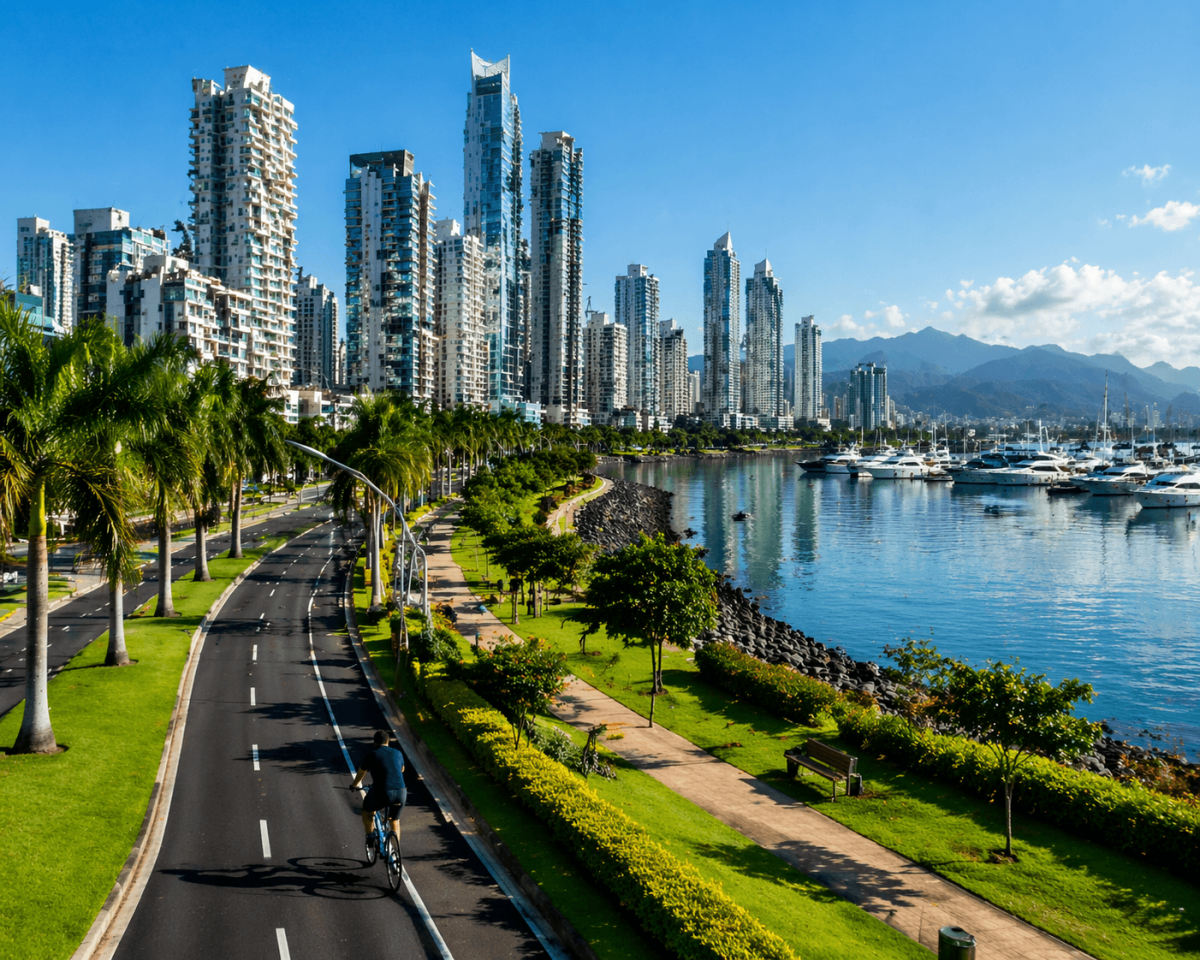
Because Panama uses the US Dollar, residents do not suffer from the inflationary erosion of purchasing power that plagues countries like Argentina or Colombia. Panama City offers a standard of living that mimics Miami. You have access to massive, climate-controlled luxury malls, an incredible international culinary scene, and high-rise condominiums with world-class amenities.
Medical and Travel Access:
Panama City is home to the Hospital Punta Pacifica, the only hospital in Latin America affiliated with Johns Hopkins Medicine International. Furthermore, Tocumen International Airport is the "Hub of the Americas," offering direct, daily flights to almost anywhere in the world. For the global citizen, this unparalleled connectivity is a massive factor in their personal standard of living.
Conclusion: Defining Your Highest Standard
Determining the highest standard of living in Latin America ultimately depends on what you value most in your daily life.
If your standard of living is defined by first-world infrastructure, modern conveniences, and raw economic power, Chile is your unquestionable destination.
If you measure your standard of living by social peace, egalitarianism, low stress, and systemic stability, Uruguay offers an unmatched environment.
If your priority is longevity, ecological health, and a slower, nature-based lifestyle, Costa Rica provides a holistic approach to well-being.
If you demand dollarized purchasing power, global connectivity, and luxury amenities, Panama is the ultimate hub.
In 2026, Latin America is no longer just a destination for budget-conscious travelers. It is a region where you can actively upgrade your life, offering diverse, sophisticated, and deeply fulfilling environments that represent the highest standards of living available globally.