The End of the World: A Guide to Ushuaia, the World's Southernmost City
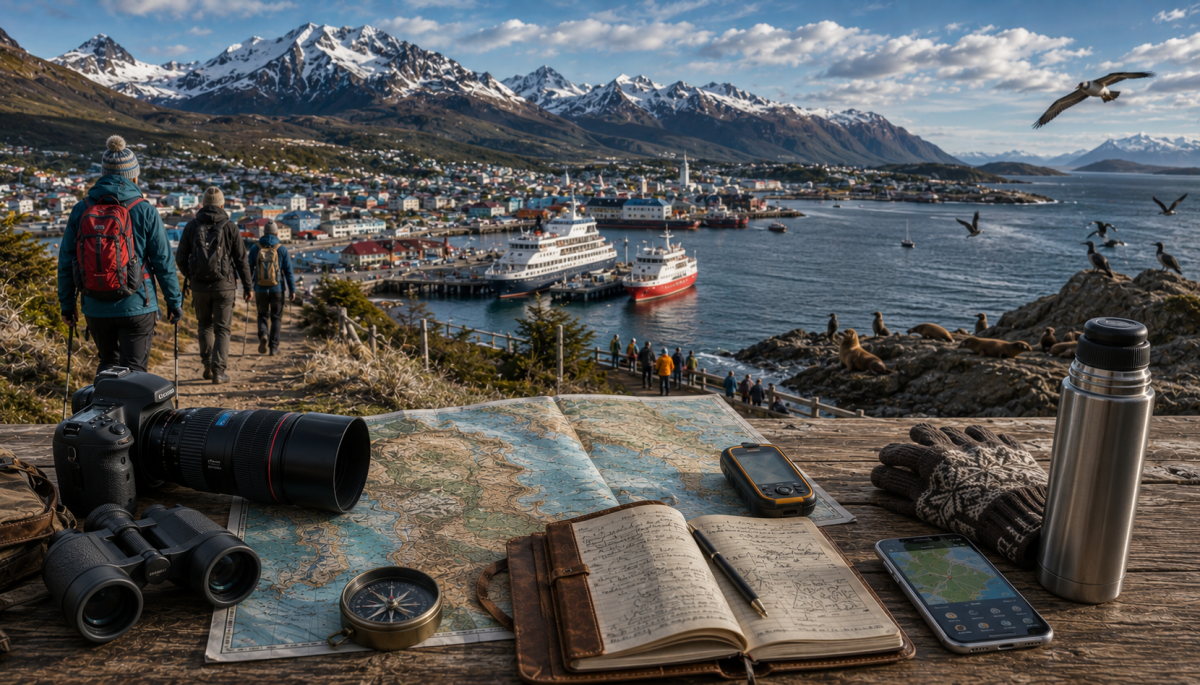
There is a powerful, almost magnetic psychological allure to traveling to the absolute extremes of our planet. For those drawn to the deep south, the ultimate destination is Ushuaia. Proudly holding the title of the world's southernmost city, Ushuaia is the capital of Argentina's Tierra del Fuego, Antarctica, and South Atlantic Islands Province. Nestled between the towering, snow-capped peaks of the Martial mountain range to the north and the icy, dark waters of the Beagle Channel to the south, the city literally feels like the edge of civilization. Often affectionately referred to as "El Fin del Mundo" (The End of the World), Ushuaia is a place of dramatic contrasts, where untamed Patagonian wilderness meets modern infrastructure, and where a dark penal history has given way to a booming, world-class ecotourism industry. Whether you are planning to embark on a massive Antarctic expedition or simply wish to hike through pristine subpolar forests, this comprehensive guide covers everything you need to know about the world's southernmost city.
A Breathtaking Geographic Reality and Subpolar Climate
The geography of Ushuaia is utterly unique. It is the only city in Argentina located on the western side of the Andes mountains, requiring travelers arriving by land to physically cross the imposing mountain range via the Garibaldi Pass to reach the coast. The city sits on the Isla Grande de Tierra del Fuego, an archipelago separated from the South American mainland by the perilous Strait of Magellan.
Because of its extreme southern latitude (54 degrees south), Ushuaia experiences a subpolar oceanic climate. The weather here is notoriously unpredictable; locals often joke that you can experience all four seasons in a single afternoon. Summer (December to February) brings long, drawn-out days with up to 17 hours of daylight, where temperatures hover around a mild 10 to 15 degrees Celsius. Winter (June to August) plunges the city into deep snow and short days, with only about 7 hours of sunlight, creating a spectacular winter wonderland that attracts skiers from all over the globe. Regardless of the season, fierce Patagonian winds are a constant companion, demanding that visitors always dress in layers.
From Indigenous Lands to the "Alcatraz of the South"
The history of human settlement in Ushuaia is as fascinating as its geography. For thousands of years, the region was inhabited by the Yaghan (or Yámana) people, an indigenous nomadic group who remarkably survived the freezing climate by continuously keeping fires burning in their canoes—which prompted early European explorers, including Ferdinand Magellan, to name the region "Tierra del Fuego" (Land of Fire). In 1833, Charles Darwin famously sailed through these waters aboard the HMS Beagle, making profound biological and anthropological observations.
However, the foundation of the modern city of Ushuaia is rooted in a much darker era. In the early 20th century, the Argentine government decided to establish a high-security penal colony at the end of the world, modeled after the British in Australia or the French in Devil's Island. Because of the freezing waters and extreme isolation, escape was considered utterly impossible. The prisoners became the primary workforce of the region, building the city's first infrastructure, including the famous "End of the World Train" used to transport timber from the forests to the town. Today, the massive, star-shaped prison has been converted into the Maritime and Prison Museum (Museo Marítimo y del Presidio), offering a chilling but highly educational look into the harsh lives of Argentina's most notorious criminals.
The Ultimate Gateway to Antarctica
While Ushuaia is a phenomenal destination in its own right, it is globally renowned as the primary logistical gateway to the "White Continent." During the austral summer, the city's bustling port is filled with massive icebreakers and luxury expedition vessels preparing to cross the infamous Drake Passage. Approximately 90 percent of all global tourist traffic to Antarctica departs from Ushuaia. The city buzzes with a unique, palpable energy as scientists, documentary filmmakers, and intrepid travelers from every corner of the world gather in local cafes and gear shops, anxiously awaiting their departure to the planet's most pristine and hostile environment.
Top Attractions: Exploring the Edge of the Earth
For those staying on the continent, Ushuaia offers a staggering array of outdoor adventures and natural wonders:
Tierra del Fuego National Park: Located just 12 kilometers from the city center, this is the only national park in Argentina that combines maritime coast, deep forests, and mountains. Visitors can hike through dense, ancient forests of lenga and coihue trees, paddle across the mirror-like waters of Lapataia Bay, and even mail a postcard from the "End of the World Post Office," a tiny wooden shack operated by a quirky local postmaster right on the water's edge.
The Beagle Channel Navigation: No trip to Ushuaia is complete without taking a catamaran cruise down the historic Beagle Channel. These tours take visitors up close to rocky outcrops teeming with loud South American Sea Lions and massive colonies of Imperial Cormorants (which closely resemble penguins). The iconic photo opportunity is the Les Eclaireurs Lighthouse, a striking red-and-white beacon standing solitary on a rocky island, often mistakenly called the "End of the World Lighthouse" by tourists.
Isla Martillo (Penguin Island): A specialized tour allows visitors to actually walk among a massive, thriving colony of Magellanic and Gentoo penguins on Isla Martillo. Watching these comical yet incredibly agile creatures in their completely natural habitat is a deeply humbling wildlife experience.
Cerro Castor: If visiting in the winter, Ushuaia transforms into an elite winter sports destination. Cerro Castor is the southernmost ski resort in the world, boasting the longest ski season in South America (running from June all the way to October) and offering world-class powder snow that regularly attracts international Olympic ski teams for off-season training.
A Culinary Capital of the Deep South
Beyond its rugged outdoors, Ushuaia has developed a highly sophisticated culinary scene based heavily on the bounty of the freezing Southern Ocean. The absolute must-try delicacy is the Centolla (Southern King Crab). Hauled fresh from the icy depths of the Beagle Channel, this massive crab is typically served whole and requires diners to crack open the spiky shells to reach the sweet, tender meat inside. Another regional specialty is the Merluza Negra (Patagonian Toothfish), a deep-water fish known for its incredibly rich, buttery texture. For land-based proteins, the traditional Fuegian lamb, slow-roasted for hours over an open wood fire (al asador), is an unforgettable, melt-in-your-mouth experience perfect for a cold Patagonian night.
Conclusion
Ushuaia is not merely a geographic novelty or a simple checkpoint on a map; it is a profoundly beautiful, deeply historic, and vibrantly alive city. It is a place where the majestic Andes mountains finally plunge into the freezing ocean, creating landscapes of unparalleled drama. Whether you are trekking through the silent, ancient forests of Tierra del Fuego, sailing alongside whales in the Beagle Channel, or standing in the very prison cells that birthed the city, Ushuaia offers an adventurous spirit that is impossible to replicate. It truly earns its moniker; traveling to the End of the World is an experience that will stay with you for the rest of your life.