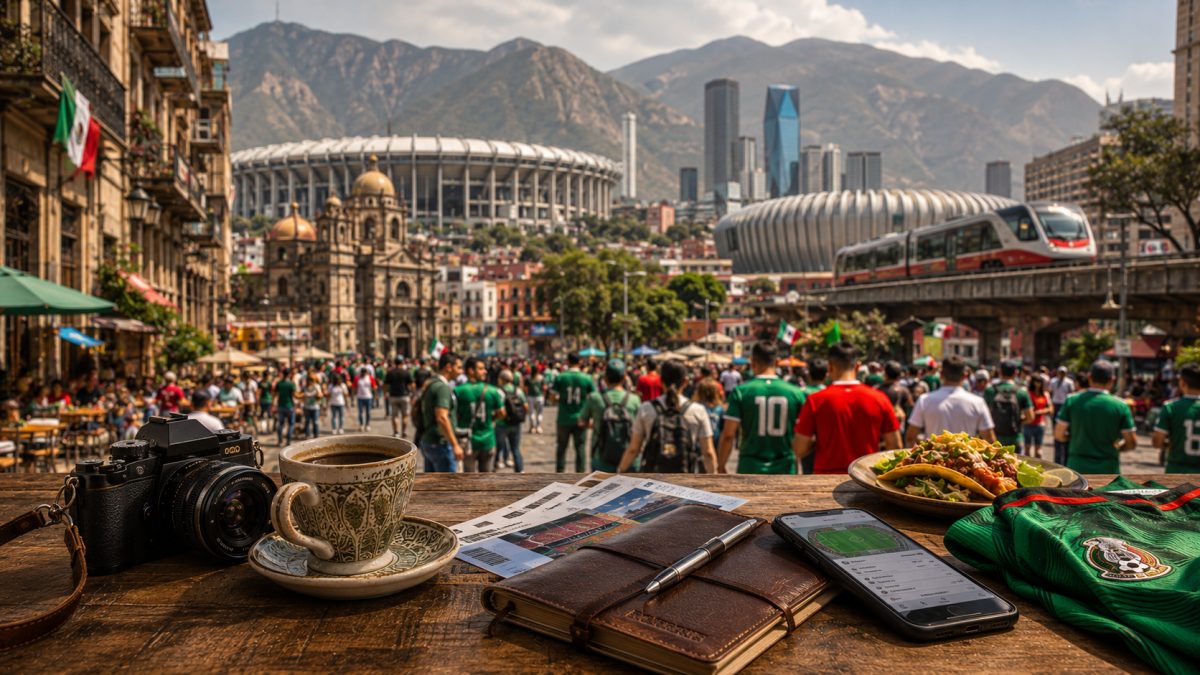
The 2026 World Cup Fan Guide: How to Experience Mexico City, Guadalajara, and Monterrey
In 2026, history will be made as the FIFA World Cup returns to North America, spanning the United States, Canada, and Mexico. For Mexico, this tournament represents a monumental milestone: it becomes the first country in history to host the World Cup for a third time, following the legendary, culture-defining tournaments of 1970 and 1986. While the United States will host the majority of the matches, the absolute soul, unbridled passion, and historic heartbeat of the 2026 World Cup will undeniably radiate from south of the border.
If you are a football fan planning the ultimate global pilgrimage, securing tickets for matches in Mexico is the golden prize. The country will host games across three vibrant, culturally distinct, and football-obsessed metropolises: Mexico City, Guadalajara, and Monterrey. Navigating these massive cities requires logistical planning, a sense of adventure, and a very healthy appetite. Here is the ultimate 2026 World Cup Fan Guide to help you experience the very best of Mexico’s host cities.
In 2026, history will be made as the FIFA World Cup returns to North America, spanning the United States, Canada, and Mexico. For Mexico, this tournament represents a monumental milestone: it becomes the first country in history to host the World Cup for a third time, following the legendary, culture-defining tournaments of 1970 and 1986. While the United States will host the majority of the matches, the absolute soul, unbridled passion, and historic heartbeat of the 2026 World Cup will undeniably radiate from south of the border.
If you are a football fan planning the ultimate global pilgrimage, securing tickets for matches in Mexico is the golden prize. The country will host games across three vibrant, culturally distinct, and football-obsessed metropolises: Mexico City, Guadalajara, and Monterrey. Navigating these massive cities requires logistical planning, a sense of adventure, and a very healthy appetite. Here is the ultimate 2026 World Cup Fan Guide to help you experience the very best of Mexico’s host cities.
Mexico City (CDMX): The Historic Colossus
The Stadium: Estadio Azteca
No stadium on Earth commands the mythical reverence of the Estadio Azteca. It is the undisputed cathedral of world football, the sacred ground where Pelé secured his legacy in 1970 and where Diego Maradona scored both the "Hand of God" and the "Goal of the Century" in 1986. For 2026, the "Coloso de Santa Úrsula" has undergone significant modernizations to meet FIFA standards, but the intimidating, thunderous atmosphere remains untouched. With a massive capacity, attending a match here—especially the tournament's inaugural match on Mexican soil—will be an overwhelming, bucket-list sensory experience.
The Fan Experience and Culture
Mexico City is a sprawling, high-altitude megalopolis that seamlessly blends ancient Aztec history with cutting-edge modern gastronomy.
The Fan Zones: Expect the Zócalo, one of the largest public city squares in the world, to be transformed into a massive FIFA Fan Festival. Tens of thousands of fans will gather here beneath the Metropolitan Cathedral to watch matches on giant screens, surrounded by live music and food vendors. The lush, expansive Chapultepec Park will also likely host major family-friendly fan activations.
What to Eat: CDMX is one of the world's greatest culinary capitals. Skip the chains and dive headfirst into the street food culture. Eat tacos al pastor sliced directly from the spinning trompo, savor fresh churros at Churreria El Moro, and book a reservation at Pujol or Quintonil if you want world-class, Michelin-level fine dining.
Beyond the Pitch: When there is no match, take a vibrant, music-filled boat ride through the ancient canals of Xochimilco, climb the Pyramids of Teotihuacan just outside the city limits, or spend a Friday night experiencing the high-flying, theatrical chaos of Lucha Libre wrestling at the historic Arena México.
The Stadium: Estadio Azteca
No stadium on Earth commands the mythical reverence of the Estadio Azteca. It is the undisputed cathedral of world football, the sacred ground where Pelé secured his legacy in 1970 and where Diego Maradona scored both the "Hand of God" and the "Goal of the Century" in 1986. For 2026, the "Coloso de Santa Úrsula" has undergone significant modernizations to meet FIFA standards, but the intimidating, thunderous atmosphere remains untouched. With a massive capacity, attending a match here—especially the tournament's inaugural match on Mexican soil—will be an overwhelming, bucket-list sensory experience.
The Fan Experience and Culture
Mexico City is a sprawling, high-altitude megalopolis that seamlessly blends ancient Aztec history with cutting-edge modern gastronomy.
The Fan Zones: Expect the Zócalo, one of the largest public city squares in the world, to be transformed into a massive FIFA Fan Festival. Tens of thousands of fans will gather here beneath the Metropolitan Cathedral to watch matches on giant screens, surrounded by live music and food vendors. The lush, expansive Chapultepec Park will also likely host major family-friendly fan activations.
What to Eat: CDMX is one of the world's greatest culinary capitals. Skip the chains and dive headfirst into the street food culture. Eat tacos al pastor sliced directly from the spinning trompo, savor fresh churros at Churreria El Moro, and book a reservation at Pujol or Quintonil if you want world-class, Michelin-level fine dining.
Beyond the Pitch: When there is no match, take a vibrant, music-filled boat ride through the ancient canals of Xochimilco, climb the Pyramids of Teotihuacan just outside the city limits, or spend a Friday night experiencing the high-flying, theatrical chaos of Lucha Libre wrestling at the historic Arena México.
Guadalajara: The Cultural Heartland
The Stadium: Estadio Akron
Located in the upscale suburb of Zapopan, Estadio Akron is a striking piece of modern architecture. Home to Chivas, one of Mexico's most historic and deeply supported clubs, the stadium is ingeniously designed to resemble an erupting volcano, with a grassy, walkable berm sweeping up its exterior. It holds roughly 48,000 fans and is celebrated for its excellent sightlines, sustainable design, and proximity to the vibrant heart of the state of Jalisco.
The Fan Experience and Culture
If you want to experience the quintessential, globally recognized stereotypes of Mexican culture—tequila, mariachi music, and charrería (Mexican rodeo)—Guadalajara is the absolute place to be. It is the cultural heartland of the country, offering a slightly more relaxed, traditional pace than the chaotic capital.
The Fan Zones: The historic center, particularly around the Plaza de Armas, the Rotonda de los Jaliscienses Ilustres, and the Hospicio Cabañas (a UNESCO World Heritage site), will be the epicenter of World Cup fever. Expect the plazas to ring with the sound of live Mariachi bands mingling with the chants of traveling international supporters.
What to Eat: You cannot leave Guadalajara without attempting to eat a torta ahogada. This hyper-local specialty translates to "drowned sandwich"—a crusty, sourdough-like roll stuffed with fried pork and completely submerged in a fiery red chili and tomato sauce. Wash it down with a cantarito, a highly refreshing tequila-based citrus cocktail served in a traditional clay pot.
Beyond the Pitch: Take the "Tequila Train" or a luxury bus out to the actual town of Tequila, surrounded by rolling hills of blue agave. Tour the historic distilleries, learn the intricate process of making Mexico's national spirit, and enjoy ample tastings right from the barrel.
The Stadium: Estadio Akron
Located in the upscale suburb of Zapopan, Estadio Akron is a striking piece of modern architecture. Home to Chivas, one of Mexico's most historic and deeply supported clubs, the stadium is ingeniously designed to resemble an erupting volcano, with a grassy, walkable berm sweeping up its exterior. It holds roughly 48,000 fans and is celebrated for its excellent sightlines, sustainable design, and proximity to the vibrant heart of the state of Jalisco.
The Fan Experience and Culture
If you want to experience the quintessential, globally recognized stereotypes of Mexican culture—tequila, mariachi music, and charrería (Mexican rodeo)—Guadalajara is the absolute place to be. It is the cultural heartland of the country, offering a slightly more relaxed, traditional pace than the chaotic capital.
The Fan Zones: The historic center, particularly around the Plaza de Armas, the Rotonda de los Jaliscienses Ilustres, and the Hospicio Cabañas (a UNESCO World Heritage site), will be the epicenter of World Cup fever. Expect the plazas to ring with the sound of live Mariachi bands mingling with the chants of traveling international supporters.
What to Eat: You cannot leave Guadalajara without attempting to eat a torta ahogada. This hyper-local specialty translates to "drowned sandwich"—a crusty, sourdough-like roll stuffed with fried pork and completely submerged in a fiery red chili and tomato sauce. Wash it down with a cantarito, a highly refreshing tequila-based citrus cocktail served in a traditional clay pot.
Beyond the Pitch: Take the "Tequila Train" or a luxury bus out to the actual town of Tequila, surrounded by rolling hills of blue agave. Tour the historic distilleries, learn the intricate process of making Mexico's national spirit, and enjoy ample tastings right from the barrel.
Monterrey: The Modern Powerhouse
The Stadium: Estadio BBVA (The Steel Giant)
Nicknamed "El Gigante de Acero" (The Steel Giant), Monterrey’s Estadio BBVA is arguably the most breathtaking football venue in the Americas. Home to the Rayados club, this ultra-modern stadium seats just over 50,000 people. Its most famous and photographed feature is the asymmetrical roofline that dips dramatically down to frame an awe-inspiring, unobstructed view of the majestic Cerro de la Silla (Saddle Mountain) looming in the background. It is a stunning marriage of cutting-edge engineering and natural geographical beauty.
The Fan Experience and Culture
Located in the arid northeast, Monterrey is Mexico’s wealthy, industrial powerhouse. It is framed by dramatic mountain ranges and characterized by a highly modern, business-forward atmosphere, combined with a deep, passionate football culture that is fiercely split between its two local rival teams, Rayados and Tigres.
The Fan Zones: The Macroplaza, one of the largest city squares in the world, and the adjacent Fundidora Park—a massive, brilliantly repurposed public space built on the grounds of a former steel foundry—will serve as the primary hubs for fan festivals. The park’s gritty industrial aesthetic combined with modern walkways and waterways makes it a perfect, highly photogenic gathering spot.
What to Eat: Monterrey is carnivore country. The undisputed regional specialty is cabrito (slow-roasted young goat), which is traditionally cooked over glowing embers for hours until it falls off the bone. Pair this with a traditional Northern carne asada (barbecue) experience, accompanied by warm flour tortillas, which are heavily favored over corn in this northern part of the country.
Beyond the Pitch: Explore the Barrio Antiguo (Old Quarter) for its cobblestone streets, colorful colonial-era houses, and vibrant nightlife scene. For nature lovers and thrill-seekers, the nearby Cumbres de Monterrey National Park offers world-class rock climbing, hiking, and the spectacular, adrenaline-pumping Matacanes canyoning route.
The Stadium: Estadio BBVA (The Steel Giant)
Nicknamed "El Gigante de Acero" (The Steel Giant), Monterrey’s Estadio BBVA is arguably the most breathtaking football venue in the Americas. Home to the Rayados club, this ultra-modern stadium seats just over 50,000 people. Its most famous and photographed feature is the asymmetrical roofline that dips dramatically down to frame an awe-inspiring, unobstructed view of the majestic Cerro de la Silla (Saddle Mountain) looming in the background. It is a stunning marriage of cutting-edge engineering and natural geographical beauty.
The Fan Experience and Culture
Located in the arid northeast, Monterrey is Mexico’s wealthy, industrial powerhouse. It is framed by dramatic mountain ranges and characterized by a highly modern, business-forward atmosphere, combined with a deep, passionate football culture that is fiercely split between its two local rival teams, Rayados and Tigres.
The Fan Zones: The Macroplaza, one of the largest city squares in the world, and the adjacent Fundidora Park—a massive, brilliantly repurposed public space built on the grounds of a former steel foundry—will serve as the primary hubs for fan festivals. The park’s gritty industrial aesthetic combined with modern walkways and waterways makes it a perfect, highly photogenic gathering spot.
What to Eat: Monterrey is carnivore country. The undisputed regional specialty is cabrito (slow-roasted young goat), which is traditionally cooked over glowing embers for hours until it falls off the bone. Pair this with a traditional Northern carne asada (barbecue) experience, accompanied by warm flour tortillas, which are heavily favored over corn in this northern part of the country.
Beyond the Pitch: Explore the Barrio Antiguo (Old Quarter) for its cobblestone streets, colorful colonial-era houses, and vibrant nightlife scene. For nature lovers and thrill-seekers, the nearby Cumbres de Monterrey National Park offers world-class rock climbing, hiking, and the spectacular, adrenaline-pumping Matacanes canyoning route.
Essential Tips for 2026 Travelers
The Altitude Factor: Mexico City sits at a lofty elevation of 7,350 feet (2,240 meters). Guadalajara is at 5,100 feet (1,560 meters). If you are flying in from sea level, give your body at least a day to acclimatize. Drink plenty of water, walk slowly, and pace yourself when consuming alcohol. Monterrey is at a much lower elevation, but it can be scorchingly hot and dry in the summer months.
Getting Around: Mexico City has a massive, highly efficient, and incredibly cheap metro system, though it can be heavily crowded during rush hours. Ride-sharing apps like Uber and Didi are very safe, highly reliable, and remarkably affordable across all three host cities, making them the preferred choice for many tourists.
Connecting Flights: Domestic flights within Mexico (via low-cost airlines like Volaris or VivaAerobus, or the flagship Aeromexico) are frequent and relatively inexpensive. This makes it very easy to base yourself in one city, enjoy the local fan zones, and fly to another city just for a specific match.
The Altitude Factor: Mexico City sits at a lofty elevation of 7,350 feet (2,240 meters). Guadalajara is at 5,100 feet (1,560 meters). If you are flying in from sea level, give your body at least a day to acclimatize. Drink plenty of water, walk slowly, and pace yourself when consuming alcohol. Monterrey is at a much lower elevation, but it can be scorchingly hot and dry in the summer months.
Getting Around: Mexico City has a massive, highly efficient, and incredibly cheap metro system, though it can be heavily crowded during rush hours. Ride-sharing apps like Uber and Didi are very safe, highly reliable, and remarkably affordable across all three host cities, making them the preferred choice for many tourists.
Connecting Flights: Domestic flights within Mexico (via low-cost airlines like Volaris or VivaAerobus, or the flagship Aeromexico) are frequent and relatively inexpensive. This makes it very easy to base yourself in one city, enjoy the local fan zones, and fly to another city just for a specific match.
Conclusion
The 2026 World Cup in Mexico promises to be a vibrant, chaotic, and utterly unforgettable celebration of the beautiful game. From the staggering historic weight of the Estadio Azteca to the deep cultural richness of Guadalajara and the stunning, mountain-framed modernity of Monterrey, these three cities offer a travel experience that goes far beyond the 90 minutes on the pitch. Pack your national jersey, prepare your stomach for some of the best food of your life, and get ready to experience the unmatched, legendary hospitality and passion of the Mexican people.