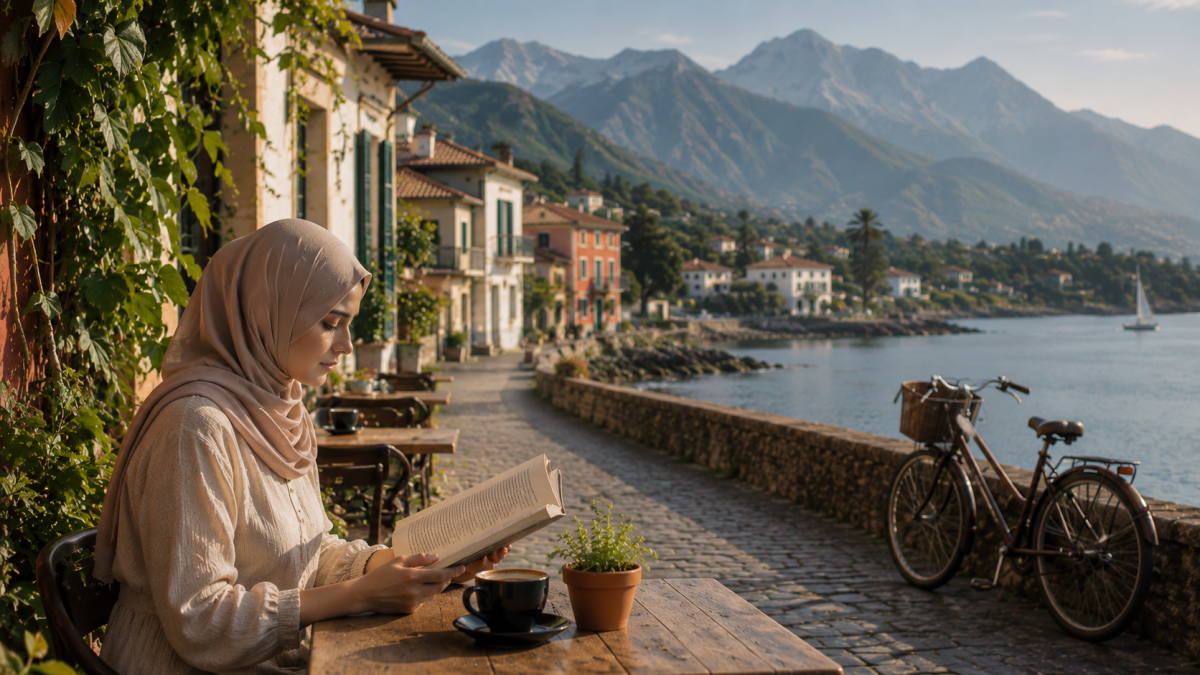
Serenity in the South: The Quietest and Calmest Countries in Latin America
When the imagination turns to Latin America, the images that most frequently come to mind are vibrant, loud, and bursting with kinetic energy. Global media portrays a region defined by the roaring crowds of a Buenos Aires football derby, the rhythmic intensity of a Rio de Janeiro carnival, or the bustling, horn-filled streets of Mexico City. While this lively spirit is undeniably a core component of the regional identity, it represents only a fraction of the Latin American experience. For those seeking an escape from the sensory overload of modern urban life, the region also harbors some of the most profoundly tranquil, silent, and calm environments on the planet. Finding the quietest countries in Latin America requires looking beyond the famous metropolises and turning toward nations that prioritize slow living, boast vast open spaces, and remain relatively untouched by the frantic pace of mass tourism.
Redefining Quiet: Space, Pace, and Peace
Before identifying specific destinations, it is important to define what makes a country "quiet and calm." In the context of Latin America, tranquility is usually found at the intersection of three factors: a low population density, a cultural inclination toward a relaxed pace of life, and strong macroeconomic and political stability that eliminates the background anxiety often present in more turbulent nations. In these serene pockets of the Americas, the concept of "hustle culture" is actively rejected in favor of community, connection with nature, and a deep appreciation for simply existing in the present moment.
Uruguay: The Master of Slow Living
If there is an undisputed champion of calm in Latin America, it is Uruguay. Wedged between the economic giants of Brazil and Argentina, this small nation operates on a fundamentally different, much slower frequency. Uruguay has a population of roughly 3.5 million people, with nearly half residing in the capital city of Montevideo. This leaves the vast majority of the country's interior consisting of rolling green plains, agricultural estates, and sleepy rural towns where the most intense daily activity is the sharing of yerba mate.
The Uruguayan mindset is famously laid-back, devoid of the intense urgency found in other global capitals. Even Montevideo, despite being the economic hub, feels more like a large, relaxed provincial town than a bustling metropolis. The true silence, however, is found along the country's eastern coastline during the off-season. Beach towns like Cabo Polonio—which is entirely off the electrical grid and accessible only by four-wheel-drive trucks through sand dunes—offer a level of acoustic isolation that is almost impossible to find in the modern world. In Uruguay, silence is not an absence of noise; it is a celebrated lifestyle.
Paraguay: The Sleepy Heart of South America
Deep in the interior of the continent lies Paraguay, a nation frequently overlooked by international tourists and digital nomads. This lack of global attention is precisely what makes Paraguay one of the quietest and most authentic corners of Latin America. Landlocked and geographically isolated for much of its history, Paraguay has preserved a highly traditional, unhurried way of life.
The capital city, Asunción, is routinely cited by travelers as one of the quietest capitals in the world. It lacks the towering skylines and aggressive traffic congestion that characterize its regional neighbors. Outside the capital, the country opens up into the Chaco—a vast, sparsely populated wilderness that covers the western half of the nation. In the eastern rural departments like Cordillera, life moves at the pace of an oxcart. For expatriates or travelers whose primary goal is absolute detachment from the stress of modernity, Paraguay offers a deeply peaceful, incredibly affordable, and authentically quiet sanctuary.
Chile: The Silence of the Extremes
While Uruguay and Paraguay offer cultural calmness, Chile offers the profound, awe-inspiring silence of extreme geography. Chile is a ribbon of land isolated from the rest of the continent by the towering Andes Mountains to the east and the Pacific Ocean to the west. This geographical isolation has created vast expanses of territory where the human footprint is virtually non-existent, resulting in breathtaking acoustic ecology.
In the far north, the Atacama Desert is the driest non-polar desert in the world. The absolute lack of moisture means there is virtually no flora or fauna to create noise, and the vast salt flats and lunar landscapes offer a sensory deprivation experience that borders on the spiritual. Stargazing in the Atacama is done in a silence so deep it can be physically felt. Conversely, in the deep south, the Patagonia region offers a different kind of quiet. Here, the silence is punctuated only by the wind, the calving of ancient glaciers, and the rush of glacial rivers. The sheer scale and emptiness of these regions make Chile an unparalleled destination for those seeking tranquility through nature.
Costa Rica: The Acoustic Ecology of Pura Vida
In Central America, Costa Rica represents a different flavor of calm. While the country is a highly popular tourist destination, meaning its main airport hubs and popular beach towns can be busy, the nation's core identity is rooted in peaceful coexistence with nature. The national motto of "Pura Vida" (Pure Life) translates directly into a stress-free, conflict-averse social dynamic.
The true quiet in Costa Rica is found by stepping slightly off the beaten path into its world-renowned cloud forests and remote eco-lodges. In areas like the Osa Peninsula or the deep jungle reserves of Monteverde, the mechanical noise of cars and construction is entirely replaced by the organic symphony of the rainforest. The country has successfully cultivated a massive wellness tourism industry, offering countless isolated yoga retreats and meditation centers designed specifically to remove visitors from the noise pollution of their daily lives.
Finding Calm Within the Giants
It is also vital to note that one does not need to limit their search to small or underpopulated countries to find absolute peace in Latin America; the larger nations harbor incredible sanctuaries of calm, provided one knows where to look. Mexico City may be an incredibly loud megalopolis, but the small, mountainous "Pueblos Mágicos" (Magical Towns) in the country's interior, or the isolated stretches of the Oaxacan coast, offer a deeply serene, traditional rhythm of life.
Similarly, while Bogotá, Colombia, is a high-altitude hub of intense activity, the country's "Eje Cafetero" (Coffee Axis) provides a lush, quiet, and highly secure environment. Here, life revolves around the slow cultivation of coffee beans on rolling green hills, where the mornings are silent save for the diverse birdlife. In Argentina, leaving the passionate noise of Buenos Aires for the remote vineyards of Mendoza or the quiet alpine towns of the Lake District near Bariloche provides an immediate transition into profound serenity.
Conclusion
The narrative of Latin America as a chaotic, relentlessly loud region is an incomplete stereotype. For those willing to look beyond the major tourist corridors and massive capital cities, the continent offers some of the most pristine sanctuaries of peace available today. Whether it is the celebrated slow-living culture of Uruguay, the sleepy, untouristed charm of Paraguay, the majestic, silent wilderness of Chile, or the deep, natural harmony of Costa Rica, Latin America provides a diverse array of tranquil escapes. In these quietest corners of the Americas, the absence of noise allows travelers and residents alike to finally hear themselves think, proving that true luxury is often found in perfect, undisturbed calm.