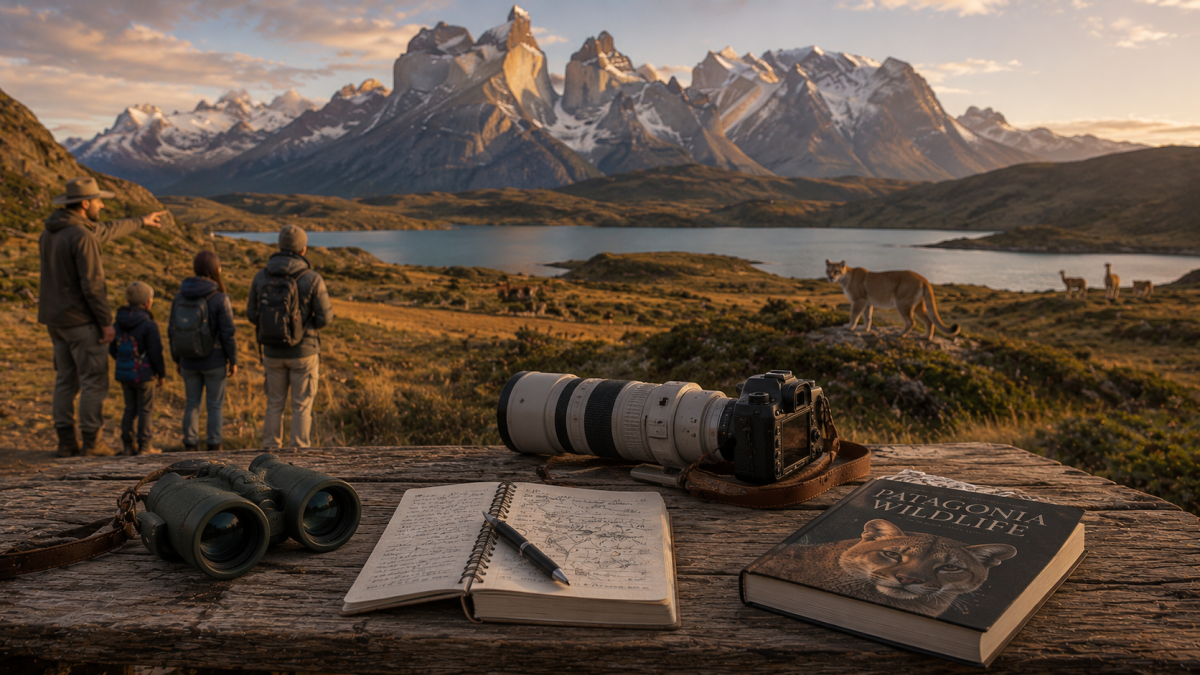
Chasing the Puma: The Best Time to Visit Chilean Patagonia for an Elite Wildlife Safari in 2026
When we think of world-class safaris, the mind automatically drifts to the vast savannas of Africa. However, for discerning travelers and families seeking a deep, exclusive, and pristine connection with nature, the new frontier of wildlife tracking lies at the edge of the world. In the heart of Chile’s Torres del Paine National Park reigns the most majestic and elusive predator of the Americas: the puma.
Looking ahead to 2026, the "Patagonian safari" has evolved. Gone are the days of uncomfortable or uncertain expeditions; today, puma tracking has become an elite experience. Led by expert biologists and trackers, it offers a safe, luxurious, and profoundly educational environment for the entire family. But in a land governed by extreme weather, choosing the exact time to travel is everything. Here is the insider knowledge on when to plan your expedition to maximize your chances of coming face-to-face with the "Lion of the Andes."
The Rise of the Ethical and Family-Friendly Safari
Before discussing dates, it is vital to understand how this experience operates today. Unlike zoos or enclosed reserves, Patagonia offers an unaltered wild ecosystem. Tracking takes place on the borders of the national park and on adjoining private conservation estancias (ranches), where pumas roam completely free.
For families, this is a transformative adventure. Moving silently through the steppe, learning to read tracks in the dirt, and listening for the warning calls of guanacos (the puma's primary prey) teaches younger travelers—and adults alike—the value of absolute respect for nature. It is a lesson in patience and wonder that bonds a family in a way no urban resort ever could.
Seasonal Breakdown for Puma Tracking
To help you plan the perfect expedition, here is how the different seasons compare for wildlife tracking in Torres del Paine:
The High Season (December to February): The Summer Myth
The austral summer is undoubtedly the most popular time to visit Patagonia due to milder temperatures and incredibly long days (up to 17 hours of daylight). However, for elite puma tracking, this is not the best option.
Crowds and Noise: During the summer, the park sees its highest influx of visitors. The constant noise, vehicle movement, and crowds on the trails cause pumas—naturally shy and solitary creatures—to retreat to higher, hidden areas of the mountains.
Reduced Activity: The summer heat makes the felines much less active during the day, limiting observation opportunities to the very first and last hours of light. If you seek exclusivity and silence, you must look toward the colder months.
The Ideal Window: Patagonian Autumn (April and May)
Ask any wildlife photographer or local guide about their favorite time in Torres del Paine, and the answer will be unanimous: autumn. For 2026, the months of April and May are shaping up to be the golden window for luxury nature tourism.
Stunning Backdrops: During autumn, magic happens in Patagonia. The immense forests of lenga and ñirre trees turn vibrant shades of copper, red, and gold, creating a visually stunning backdrop.
Increased Visibility: With the arrival of the first frosts and a drastic drop in tourist numbers, the park reclaims its profound silence. With less human presence and cooler temperatures, pumas feel more confident hunting and roaming in broad daylight.
Behavioral Insights: This is the time you are most likely to witness intimate family scenes: a mother puma playing with her cubs on a hillside or teaching them to hunt. The lower autumn sun also bathes the landscape in a soft golden glow, perfect for capturing spectacular photographs.
The Best-Kept Secret: The Winter Expedition (June to August)
If your family is willing to bundle up and seeks the rawest, most exclusive, and private experience possible, the Patagonian winter is an open secret among tracking elites.
Tracking Advantages: In winter, snow blankets the Patagonian steppe. This brings two massive advantages for trackers: first, the white canvas makes fresh puma tracks incredibly easy to follow. Second, the snow pushes the guanacos down into the lower valleys in search of food, and the pumas, naturally, follow their prey.
Ultimate Exclusivity: Having Torres del Paine practically to yourself, moving in a specialized, snow-equipped 4x4 vehicle, while watching the silhouette of a puma outlined against ice-capped mountains, is the absolute pinnacle of modern exploration.
Refuge and Gastronomy: Eco-Luxury at the End of the World
An elite expedition requires a sanctuary to rest in after a long day in the cold. The region has perfected the concept of "eco-luxury." Modern lodges are designed with sustainable architecture, utilizing local woods and floor-to-ceiling windows that allow you to continue observing the immensity of nature from the comfort of your room.
After a freezing morning tracking pumas, returning to the lodge is a deeply comforting experience. Families can gather around a large wood-burning fireplace, wrapped in soft wool blankets, while enjoying a hot cup of tea, local herbal infusions, or a thick, steaming hot chocolate.
The gastronomy in these lodges is exceptional and mindful, focusing on local organic ingredients, vegetables from their own gardens, and warming dishes that comfort the body and soul, ensuring every meal is a moment of family celebration without the need for loud or festive environments.
Conclusion
The year 2026 presents the perfect opportunity to redefine what a luxury family vacation means. Escaping congested cities and delving into the silent vastness of Patagonia is not just a trip; it is a return to the essentials. For those seeking to witness the majesty of the puma in its purest state, the key is to avoid the summer crowds. Book your expedition for the vibrant colors of autumn or the pristine exclusivity of winter, and prepare to experience one of the most thrilling and elegant wildlife spectacles on the planet.