Argentina Explained: Everything You Need to Know Before Visiting or Investing
Argentina is a land of sweeping extremes, breathtaking natural beauty, and a complex, highly dynamic economic landscape. For decades, it has captivated the imaginations of adventurous travelers seeking the end of the earth in Patagonia, while simultaneously challenging global investors with its historically volatile markets. However, as the country continues its profound macroeconomic transformation into 2026, the global narrative is shifting rapidly. Argentina is no longer just a beautiful destination with a complicated ledger; it is a nation actively redefining its place on the global stage. Whether you are planning a two-week vacation to sip Malbec in the foothills of the Andes, considering a long-term relocation as a digital nomad, or evaluating a multi-million-dollar corporate investment in the country's booming energy sector, understanding the profound nuances of Argentina is essential. Here is a comprehensive guide to everything you need to know before you arrive.
A Geographical Masterpiece: Tourism Beyond Buenos Aires
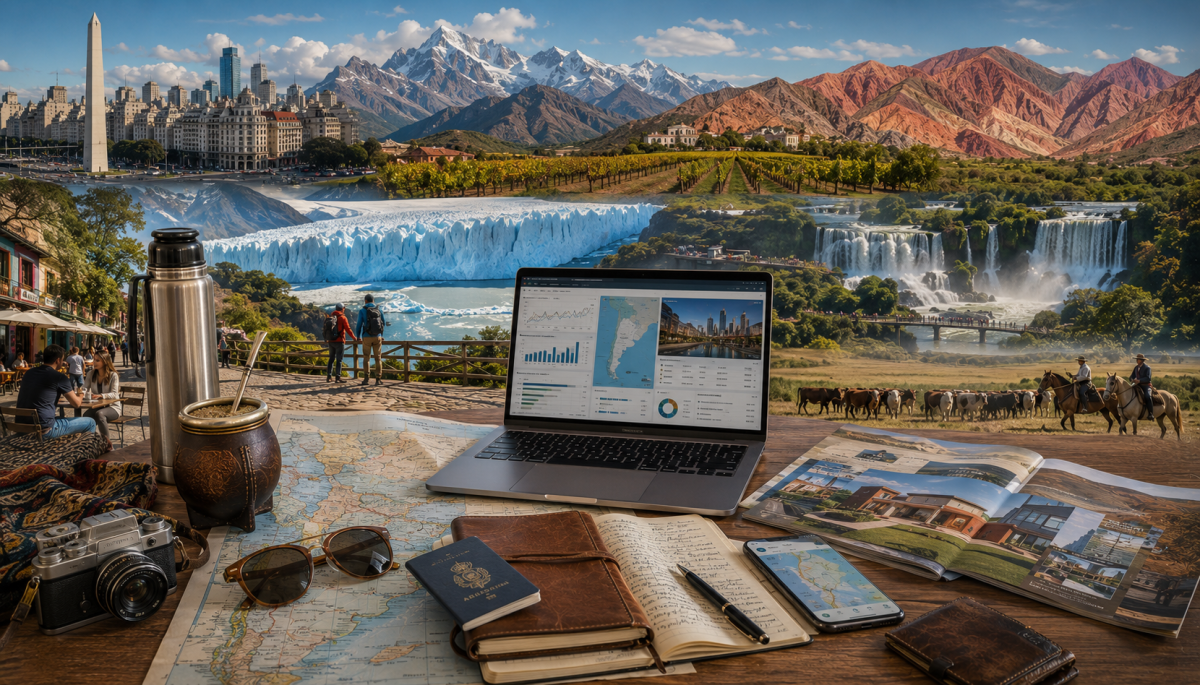
Argentina is the eighth-largest country in the world, stretching from the Tropic of Capricorn to the very tip of the Antarctic continent. Its geography is staggeringly diverse, meaning a single trip can encompass tropical jungles, arid deserts, and ancient glaciers.
Most journeys begin in the capital city of Buenos Aires. Often referred to as the "Paris of South America," Buenos Aires famously blends grand European architecture with a fiery Latin American soul. Neighborhoods like Palermo offer cutting-edge gastronomy and boutique shopping, while San Telmo preserves the historic cobblestone streets where tango was born. It is the cultural epicenter of the country, famous for its historic cafes, sprawling parks, and vibrant, late-night energy.
However, the true magic of Argentina lies in its vast and diverse interior provinces:
Patagonia and the Deep South: Located in the lower half of the country, this region offers some of the most dramatic, untouched landscapes on the planet. From the towering ice walls of the Perito Moreno Glacier in Santa Cruz to the jagged, granite peaks of Mount Fitz Roy, it is a world-class destination for trekking. Further south lies Ushuaia, the "End of the World," serving as the primary gateway for Antarctic expeditions.
Mendoza and the Wine Route: Set against the breathtaking backdrop of the snow-capped Andes Mountains, this western province is the undisputed heartland of Argentina's wine industry. Boasting over a thousand wineries (bodegas), it produces globally renowned Malbec. Visitors can cycle through vineyards, enjoy multi-course pairing menus, and relax in luxury eco-lodges.
Iguazú Falls and the Litoral: Situated in the subtropical northeast on the border with Brazil, this massive waterfall system comprises 275 individual drops. Surrounded by lush, protected rainforest teeming with wildlife, it is widely considered one of the most awe-inspiring natural wonders of the world.
The Northwest (Salta and Jujuy): Characterized by multi-colored mountain ranges (like the Hill of Seven Colors), high-altitude salt flats, and deep indigenous roots, this region offers a stark contrast to the European flair of the capital. It is a region of profound history, ancient ruins, and unique regional cuisine like empanadas salteñas.
The New Investment Climate: Moving Toward Predictability
For global investors and corporate entities, the Argentina of 2026 looks remarkably different from the Argentina of the previous decade. After enduring prolonged periods of high inflation, heavy state intervention, and strict capital controls, the government has implemented rigorous macroeconomic stabilization plans. The focus has shifted drastically toward maintaining a fiscal surplus, deregulating key industries, and shrinking the size of the state. This shift toward a more orthodox, open-market economy is steadily restoring international confidence.
The primary engines for foreign direct investment (FDI) are firmly centered around Argentina's massive natural wealth. The Vaca Muerta shale formation in Neuquén is transforming the country into a major net exporter of oil and natural gas. Concurrently, Argentina sits squarely on the "Lithium Triangle," making it an absolutely critical player in the global electric vehicle and battery supply chain.
To capitalize on these resources, the government recently introduced the Large Investment Incentives Regime (RIGI). This framework is a game-changer for foreign capital, offering 30 years of guaranteed tax, customs, and foreign exchange stability for major projects. Furthermore, the country's technology sector remains a quiet powerhouse. Home to unicorns like MercadoLibre and Globant, Argentina boasts a highly educated, English-proficient workforce that makes it a premier hub for software development and IT nearshoring.
Cultural Nuances: Time, Meat, Mate, and Connection
Whether you are negotiating a boardroom deal or making friends at a local bar, understanding Argentine culture is crucial to your success and enjoyment. Argentines place a massive premium on personal relationships and human connection. Business is rarely conducted quickly or impersonally; establishing trust through casual conversation, a coffee, or a shared meal is a mandatory prerequisite to any transaction.
The social calendar revolves heavily around two culinary pillars: the asado and yerba mate. The asado (barbecue) is not just a meal; it is a sacred, hours-long weekend ritual of grilling high-quality, grass-fed beef over wood coals, sharing wine, and engaging in passionate debate. Yerba mate, a highly caffeinated herbal infusion, is the social glue of daily life. It is drunk from a shared hollow gourd through a metal straw (bombilla). If an Argentine offers to share their mate with you, it is a sign of acceptance and friendship.
Furthermore, visitors must recalibrate their internal clocks. Argentina runs late. Dinner is almost never served before 9:30 PM, and it is common for restaurants to be packed at midnight. Nightlife and social events often stretch well into the early hours of the morning, even on weekdays. Embracing this slower, highly social rhythm is the key to truly enjoying your time in the country.
Practical Tips for Arrival and Daily Life
Navigating daily life in Argentina has become much simpler as the economy has stabilized, but a few practical realities remain essential for newcomers:
Currency and Payments: While the complex, multi-tiered exchange rates (like the famous "blue dollar") have largely converged due to recent economic reforms, the landscape is still evolving. It is advisable to carry a mix of international credit cards (which now process at highly favorable, near-market rates) and some physical cash for small vendors, taxis, or remote rural areas.
Navigating the Vastness: Because Argentina is so massive, domestic flights are the most practical way to travel between regions. Aerolíneas Argentinas and low-cost carriers like Flybondi connect major hubs. Within Buenos Aires, the "Subte" (subway) and the extensive bus network are incredibly cheap and efficient.
Language: Spanish (Castellano) is the official language. The Argentine dialect is unique, heavily influenced by Italian immigration, featuring a distinct "sh" sound for double-L and Y letters, and utilizing "vos" instead of "tú". While English is widely spoken in corporate environments and tourist hubs, learning basic local phrases will significantly endear you to the locals.
Safety: Argentina consistently ranks as one of the safest countries in Latin America. Violent crime against tourists is exceedingly rare. However, like in Paris, Rome, or any major global city, visitors in Buenos Aires should practice standard urban awareness. Keep an eye out for opportunistic pickpockets in crowded tourist areas, on public transit, and avoid leaving expensive smartphones unattended on cafe tables.
Conclusion
Argentina is a country that absolutely demands to be experienced rather than merely observed. It is a nation of passion, resilience, and unparalleled beauty. For the traveler, it offers a visual, emotional, and culinary feast that spans from subtropical jungles to glacial ice fields. For the expat or digital nomad, it provides a high quality of life, rich cultural immersion, and incredible affordability. For the investor, it represents a revitalized emerging market with world-class, tangible assets and a newfound commitment to macroeconomic stability. By understanding its cultural rhythms, geographic scale, and economic shifts, you will be perfectly positioned to maximize your experience in this unforgettable South American giant.