The history of Latin America has long been tied to Spanish and Portuguese explorations, yet a hidden golden thread has been woven into the continent's fabric since the earliest European contact: the Islamic presence. Discussing the beginnings of Islam in Latin America is not just a migration narrative; it is a saga of resilience and a search for identity across the seas.
Historical studies suggest that the first to carry the seeds of Islam to the continent were the "Moriscos" (Andalusians forced to convert to Christianity in Spain). They crossed the Atlantic on the first exploration ships, despite strict laws forbidding their travel. In Mexico, Peru, and Brazil, they left clear marks in "Mudéjar" architecture and agricultural techniques, while their faith remained alive in their hearts, practiced in secrecy away from the Inquisition's eyes.
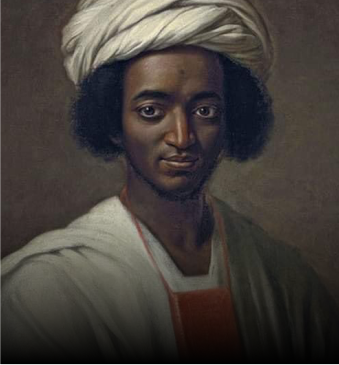
The second and more visible wave began with the "Mandingo" and enslaved Africans brought to Brazil and the Caribbean. These forgotten heroes carried not only chains but also their Qurans and knowledge. In 1835, Brazil witnessed the "Malê Revolt," an uprising led by educated Muslims in Bahia aiming for liberation, reflecting how deeply religious consciousness was rooted in these communities.
Finally, waves of migration from the Levant at the end of the 19th and beginning of the 20th centuries laid the foundation for contemporary Islamic institutions. Known as "Los Turcos," these immigrants established mosques and centers in Argentina, Brazil, and Chile, marking a new era of institutional Islam that contributes vibrantly to Latin society today.