Uruguay’s Biblioteca País: Turning Digital Lending into a Reading Habit
Introduction
A large collection does not automatically create a reading habit. The useful change happens when a reader can choose a suitable text, return to it regularly and connect it with conversation or study. Uruguay’s Biblioteca País, presented by Ceibal as a digital library, offers a practical example of how lending can work beyond a physical shelf. For Arab readers interested in education and community learning, its value lies both in the service itself and in the questions it raises: how do we choose, how do we keep reading and how can a shared activity preserve individual interests?
A library organized around access and use
Ceibal’s description of Biblioteca País includes borrowing, renewal and reservation of catalogue items. [1] These familiar library actions matter in a digital setting. Finding a title is one step; arranging access and making time to read it are others. The screen does not remove the need to plan a reading period, understand availability or return to a work before access ends.
The publisher’s current application description specifies availability for people with a Uruguayan identity card. [2] An Arab reader outside that user group should therefore approach this as an example to study, rather than assume unrestricted borrowing from abroad. The broader educational ideas can still travel: a manageable choice, a clear reading plan and discussion that helps a text become part of daily life do not depend on copying one service’s account arrangements.
Choosing a text that invites a return
Begin with an interest, not a target number of finished books. A reader curious about plants might choose a short explanatory text; another might prefer a suitable story or an illustrated account. Examine the description and intended level before committing. A title can attract attention while the actual reading demands make it unsuitable for the time available. An informed choice is more likely to produce a return visit than an ambitious selection made only to appear impressive.
Ceibal’s explanation of the lending and preview functions distinguishes exploring a work from borrowing it. [3] That distinction suggests a useful habit for any library: take a brief look first and ask whether the vocabulary, length and presentation fit the reader’s purpose. A preview need not reveal everything. It only has to provide enough information for a reasonable choice, leaving space for discovery when reading begins.
Make a reading plan small enough to repeat
Set a short session with a specific stopping point, such as a section or a few pages. Decide when the next session will happen before closing the text. This is a proposed learning practice, not a rule imposed by Biblioteca País. Its purpose is to reduce the effort of beginning again. “Read more” is a vague intention; “continue from the next section after tomorrow’s study period” gives the reader a clear action.
Keep the plan flexible enough for genuine understanding. If a passage is difficult, rereading may be more useful than moving forward to satisfy a page target. A short note can record the central idea, an unfamiliar word and one question. The note should help the next session, not become a second assignment longer than the reading itself. A habit grows through repeatable attention rather than constant measurement.
Use the format to support the reader
Ceibal’s application listing describes adjustable font size and spacing, offline reading and note-taking. [2] These features provide choices about the reading experience. They do not decide which settings suit every person. Try a comfortable arrangement, read for a short period and adjust if necessary. A change that makes one reader’s page clearer may not be the preference of another.
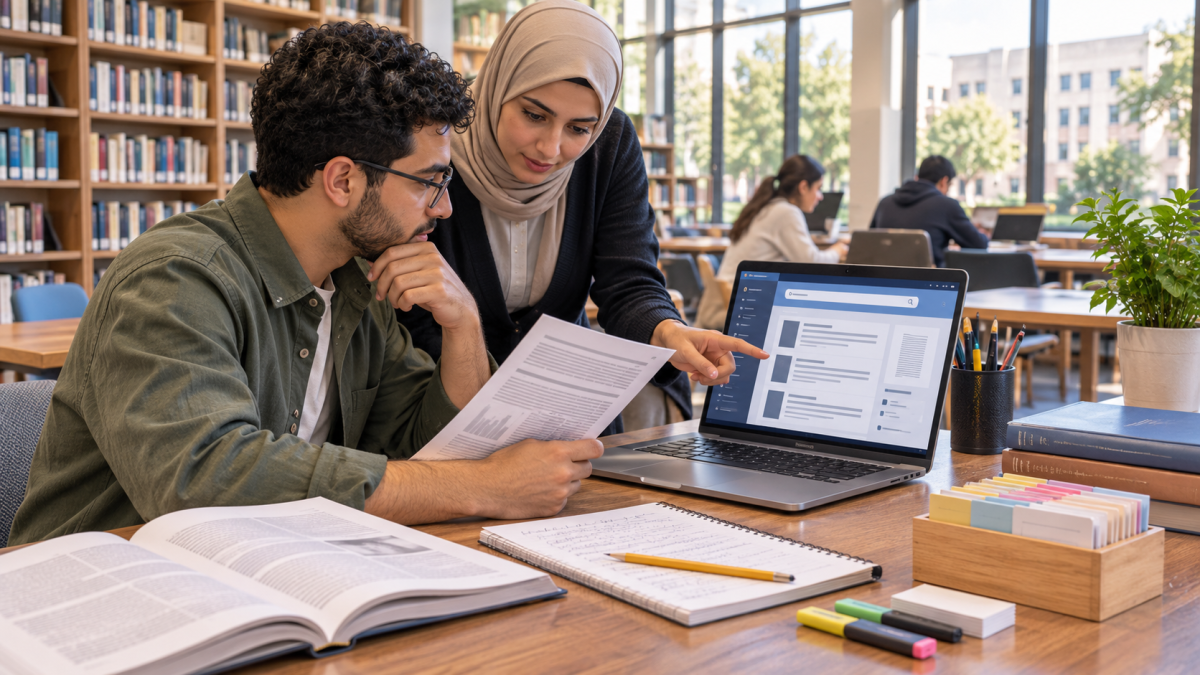
For a shared activity, allow different ways of following the same text when the available resource permits them. One participant may work with a larger display while another prefers a printed personal note beside the device. The important question is whether everyone can follow the discussion. Avoid turning technical settings into the centre of the session. The device should support the reading, while the text and the reader’s thinking remain the main subjects.
A shared conversation with room for differences
Ceibal has published material on using Biblioteca País resources to broaden school summer activities. [4] This illustrates a connection between a collection and an educational proposal. A family or small learning group elsewhere can draw inspiration without claiming to reproduce a particular programme. Choose a suitable text, agree on a manageable portion and prepare questions that ask participants to explain what they understood.
Start with an observation that can be supported from the text. What changed between two parts? Which example made an explanation clearer? What did a character learn? Then invite different interpretations and ask what passage supports each one. This avoids turning discussion into a competition to repeat one approved sentence. It also gives quieter readers a concrete way to contribute: they can point to a detail they noticed rather than deliver a polished speech.
Connect reading to a small activity
After an explanatory passage, draw a simple diagram from memory and compare it with the text. After a story, arrange a few events in sequence and discuss why one led to another. These are proposed activities that can be adapted to age and interest. They give reading a visible outcome without requiring expensive materials or elaborate preparation.
For an Arabic-speaking group reading a suitable Spanish text, keep a short vocabulary list with meaning in context. Choose a few useful expressions instead of translating every line. Ask participants to explain the central idea in their own language, then return to the Spanish wording for a detail. This can preserve comprehension while keeping attention on the original text. Select difficulty carefully so that the activity remains an invitation to read again.
Keep lending information visible
Ceibal maintains support information for Biblioteca País procedures. [5] Eligible users should check the current instructions for their resource rather than assume that every item follows identical conditions. Record the due date shown for a loan and check availability before planning a group activity. Preparing a suitable alternative text can prevent an access problem from ending the session.
For teachers and families studying the example from abroad, the transferable lesson is organization. Keep the title, source and planned reading portion together. Ask what has been understood and what the next session should address. A reading project can remain modest while still being thoughtful, consistent and responsive to participants.
Conclusion
Biblioteca País shows how a digital collection can support familiar library practices and new reading arrangements. Its educational interest reaches beyond the catalogue when readers choose carefully, return regularly and discuss what they encounter. For an Arab audience, Uruguay’s example offers useful questions to bring into local learning settings. The meaningful outcome is a relationship with reading that continues after the device is closed.