Peru is a country of astonishing diversity, not only in terms of geography and biodiversity but also in its cultural heritage. Over the centuries, the influence of the Incas, Spanish colonization, and the legacy of indigenous and Afro-Peruvian communities have shaped a rich mosaic of traditions reflected in art, music, cuisine, and, above all, its festivals. These traditions are not only a way to preserve cultural identity but also a means of expression that merges history, faith, and celebration.
Religious and Cultural Festivals
Festivals in Peru are among the most visible expressions of its identity. Throughout the year, communities gather to honor their beliefs, blending religious rituals with ancestral customs and popular events.
Inti Raymi: The Festival of the Sun
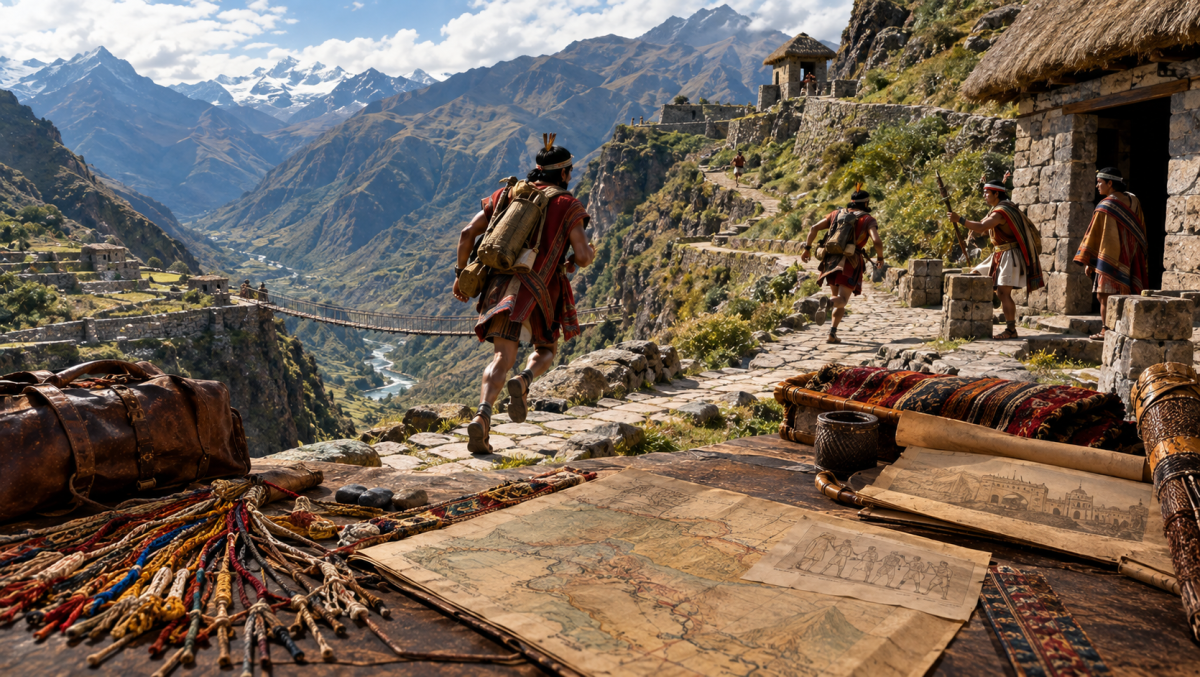
Every June 24, in Cusco, one of the most emblematic ceremonies of the Inca era is revived: Inti Raymi, or the Festival of the Sun. This event, which marks the winter solstice in the Southern Hemisphere, was one of the most important celebrations of the Inca Empire, dedicated to Taita Inti (Father Sun). Today, it is represented with grand processions, dances, and reenactments at the Sacsayhuamán esplanade, attracting tourists from around the world.
Feast of the Virgin of Carmen
In the town of Paucartambo, Cusco, the Feast of the Virgin of Carmen is celebrated every July. Devotees call her the “Mamacha del Carmen,” and the event is filled with vibrant processions and folk dances. Participants wear masks that represent both biblical and mythological figures. It is one of the most significant celebrations in the Peruvian highlands.
Lord of Miracles
In October, the streets of Lima are adorned in purple in honor of the Lord of Miracles, one of the most venerated representations of Christ in Peru. Thousands of devotees participate in massive processions, demonstrating their faith in what is considered the largest religious event in South America.
Festival of Los Negritos de Huánuco
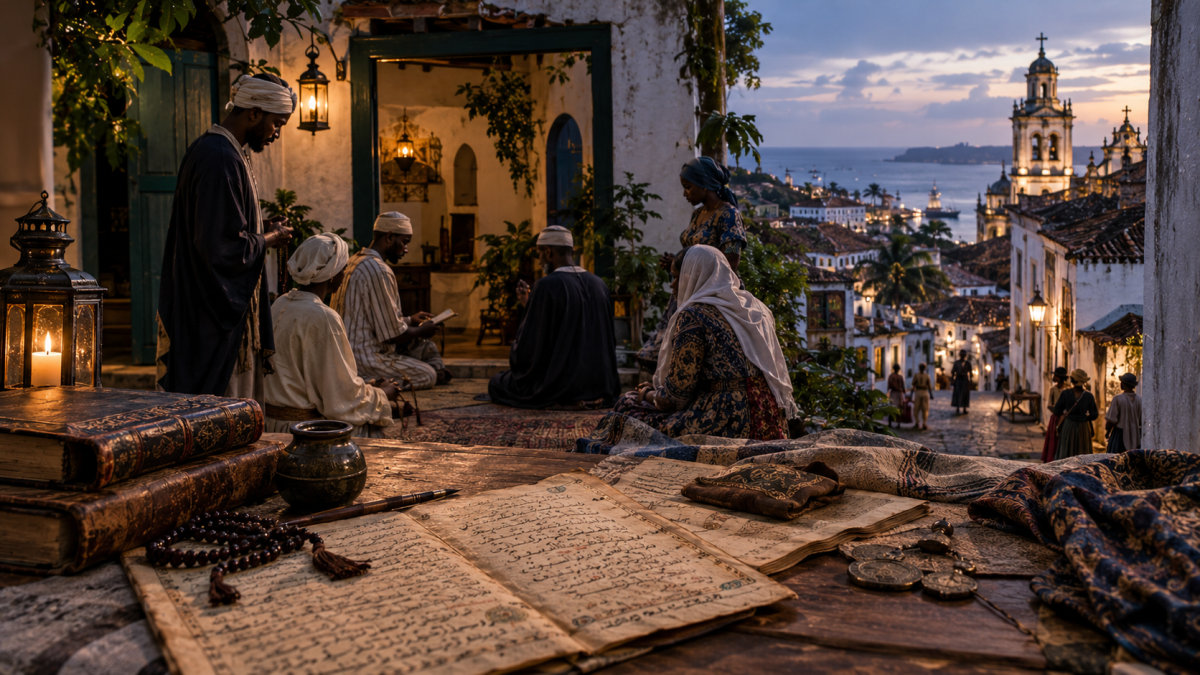
From December 24 to January 15, Huánuco hosts one of the longest and most spectacular celebrations in honor of the Infant Jesus. With roots in colonial times, this festival recalls the period when enslaved people were granted special permission to participate in Christmas festivities. The event features colorful dances with African and Spanish influences, alongside various cultural activities.
San Juan: The Great Festival of the Amazon
From June 21 to 27, the Peruvian Amazon comes alive with the celebration of San Juan, the region’s patron saint. Introduced by Catholic missionaries, this festival is one of the most significant in the eastern part of the country. During the celebration, communities organize craft fairs, parades, cooking competitions, and musical events, with the juane—a traditional dish wrapped in bijao leaves—standing out as a culinary highlight.
Festival of the Virgin of Candelaria
Every February, the city of Puno celebrates the Virgin of Candelaria, considered the patron saint of the region. Recognized as Intangible Cultural Heritage of Humanity by UNESCO in 2014, this festival is one of the most important in Peru. It is distinguished by its blend of Catholic and Andean traditions, with folk dances, religious masses, and colorful parades that reflect indigenous worldviews.
Conclusion
Peruvian festivals are more than just celebrations; they represent the identity of a nation that has preserved and enriched its traditions over the centuries. From ancient Inca rituals to colonial-era religious festivities and Afro-Peruvian and Amazonian cultural expressions, each event tells a story of syncretism, devotion, and pride. These festivals are not only moments of joy and community gathering but also living testimonies to the cultural diversity that makes Peru a unique country in the world.