The Thriving Muslim Community of Colombia: Faith and Culture
When visualizing the cultural and religious landscape of Colombia, the immediate images that come to mind are usually deeply rooted in Roman Catholicism. From the towering sanctuaries nestled in the Andes mountains to the historic colonial churches of Cartagena on the Caribbean coast, Colombia’s heritage is undeniably intertwined with the Catholic faith. However, beneath this traditional surface lies a rapidly evolving demographic reality. A vibrant, deeply rooted, and steadily growing Muslim community is actively shaping the modern Colombian narrative. This demographic is not merely a recent phenomenon of globalization but a rich, multi-generational tapestry of immigrants, expatriates, and a rapidly increasing number of native Colombian converts. Exploring the Muslim community in Colombia reveals a fascinating intersection of faith, cultural integration, and constitutional freedom that challenges conventional stereotypes about Latin American demographics.
The Historical Roots of Migration
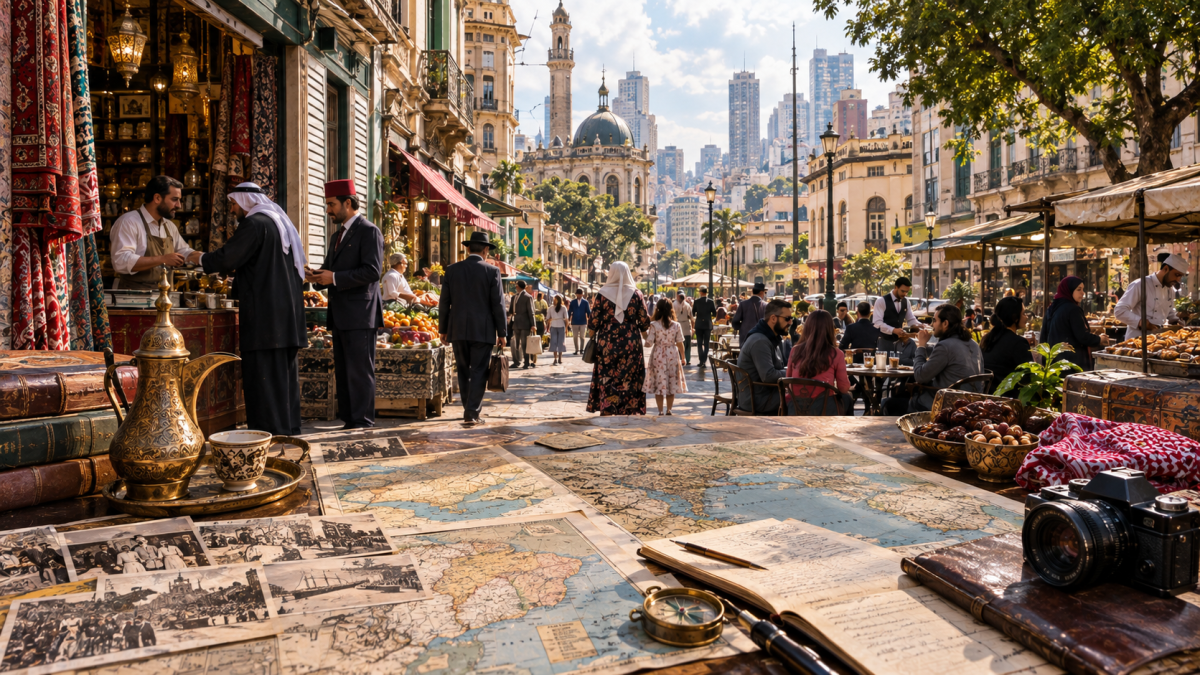
The foundations of Islam in Colombia were laid over a century ago during the great waves of Middle Eastern migration to the Americas. In the late 19th and early 20th centuries, thousands of immigrants from Greater Syria—encompassing modern-day Syria, Lebanon, and Palestine—fled the crumbling Ottoman Empire seeking economic opportunity and political stability. While the majority of these early arrivals were Maronite or Orthodox Christians, a significant minority were Muslims. Arriving at northern Caribbean ports such as Puerto Colombia and Barranquilla, these early pioneers began as traveling merchants, carrying textiles, spices, and household goods into the interior of the country. Through sheer perseverance, they transitioned from itinerant peddlers to successful brick-and-mortar business owners, laying a permanent economic and social foundation for future generations of Muslims in the country. They established trade routes and built profound trust with the local Colombian populations, proving that their cultural differences were an asset rather than a barrier.
The Hub of Maicao in La Guajira
The true demographic heart of Islam in Colombia is located in the northernmost region of the country, specifically the desert department of La Guajira. The border city of Maicao stands as an extraordinary anomaly in Latin America: it is a city where Arab and Islamic culture is as prominent as the local Colombian and indigenous cultures. Attracted by the city's status as a free-trade zone in the latter half of the 20th century, thousands of Lebanese Muslim immigrants settled in Maicao. This influx led to the construction of the Omar Ibn Al-Khattab Mosque in 1997. As one of the largest and most magnificent mosques in Latin America, its towering minaret and sweeping marble arches dominate the city’s skyline, serving as a beacon of Islamic heritage. It serves not only as a place of worship but as a central community hub, complete with an attached school, the Colegio Colombo Árabe. This institution teaches both the standard Colombian curriculum and Islamic studies, ensuring that the younger generations retain their religious identity while fully participating in Colombian civic life.
The social dynamics in Maicao offer a profound case study in cultural integration. The Arab Muslim immigrants established deep commercial and social ties with the local Wayuu indigenous people. It is not uncommon to see the blending of these cultures in daily life, with the Arabic language frequently heard in the bustling commercial districts alongside Spanish and the indigenous Wayuunaiki language. The local Muslim community has become an integral part of the regional economy, dominating the textile, electronics, and import-export sectors.
Urban Expansion and Diversity in Bogotá
Beyond the northern coast, the Islamic presence has expanded significantly into Colombia's major urban centers. In the capital city of Bogotá, the Muslim community is characterized by its remarkable diversity. The Abou Bakr Alsiddiq Mosque, located in the northern part of the city, serves a congregation that reflects the global nature of the faith. On any given Friday during Jum'ah prayers, the prayer hall is filled with descendants of the original Levantine immigrants, recent expatriates from South Asia and North Africa, diplomats, and an active community of native converts. This mosque acts as a spiritual sanctuary in the cold Andean capital, providing a space for communal breaking of the fast during Ramadan, religious education, and social gatherings.
The 1991 Constitution and Native Converts
The phenomenon of native Colombians converting to Islam—often referred to as returning or reverting—is one of the most dynamic aspects of the country's religious landscape. The 1991 Colombian Constitution was a watershed moment for religious freedom, officially establishing the country as a secular state and guaranteeing the absolute right to freedom of worship. This legal framework allowed Islamic centers to operate openly, distribute literature, and engage in public dialogue without fear of state-sponsored discrimination. Many Colombians are drawn to Islam by its strict monotheism, its disciplined daily structure, and its profound emphasis on family and social justice. The cultural transition is often smoothed by deeply shared values; the traditional Colombian emphasis on "familismo" (the prioritization of the extended family unit) and legendary hospitality mirror the Islamic concepts of kinship, charity, and generosity toward guests.
Afro-Colombian Muslims in Buenaventura
This growth is not limited to the Andean capital or the northern deserts. In the coastal city of Buenaventura, located on the Pacific Ocean, a unique and inspiring community of Afro-Colombian Muslims has emerged. Driven by a search for historical roots and spiritual fulfillment, many Afro-Colombians have embraced Islam, drawing direct historical parallels between the teachings of the faith and the struggles of enslaved Africans who were brought to the Americas, many of whom were originally practicing Muslims before forced assimilation. This community highlights the incredible adaptability and universal appeal of the Islamic message across entirely different socio-cultural backgrounds. They have built their own community centers and established a unique identity that honors both their African heritage and their Islamic faith.
Economic Contributions and Culinary Fusion
The economic and cultural contributions of Muslims in Colombia extend far beyond their places of worship. In the realm of international trade, Muslim-owned businesses have been instrumental in opening up Colombian markets to the Middle East, particularly through the certification and exportation of Halal beef and agricultural products. This has created jobs and bolstered the national economy.
Furthermore, the integration of Muslims into Colombian society is deliciously evident in the culinary landscape. While observing strict Halal dietary laws, the Muslim community has seamlessly blended Middle Eastern flavors with local Colombian ingredients. Traditional Levantine dishes like kibbeh have been fully adopted by the broader Colombian public, often served alongside local staples like suero costeño. Similarly, Colombian Muslims have adapted local staples like empanadas and arepas, preparing them with Halal-certified meats and serving them at community feasts, symbolizing the beautiful marriage of two rich cultures.
Overcoming Challenges and Looking Forward
Despite the harmonious integration, the community occasionally faces challenges, largely stemming from global stereotypes and media misrepresentations of Islam. However, Colombian Muslims actively combat these misconceptions through continuous community outreach, interfaith dialogue, and open-door policies at their mosques. By hosting educational seminars, participating in national cultural events, and engaging in extensive charitable work—such as distributing food and supplies to vulnerable populations—Islamic centers across the country continuously demonstrate that their faith is fully compatible with Colombian citizenship. The trajectory of the Muslim community in Colombia points toward continued growth, deeper societal integration, and a future where the Islamic call to prayer harmonizes perfectly with the rhythms of daily Colombian life, creating a society richer in faith, understanding, and mutual respect.