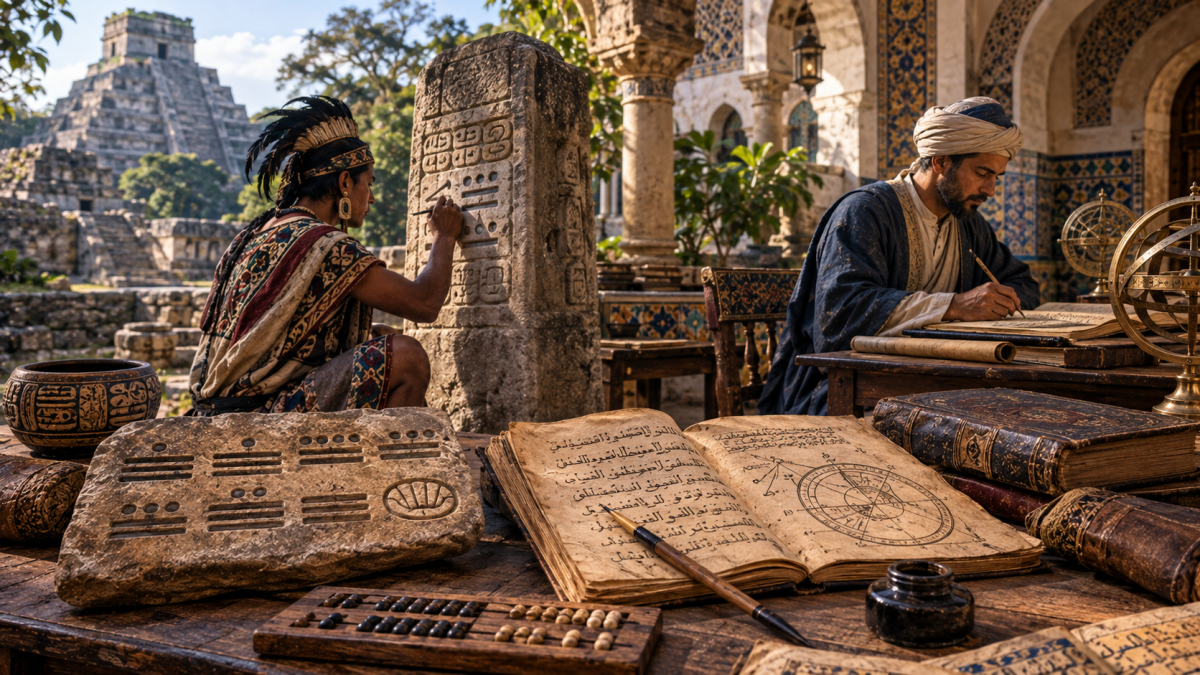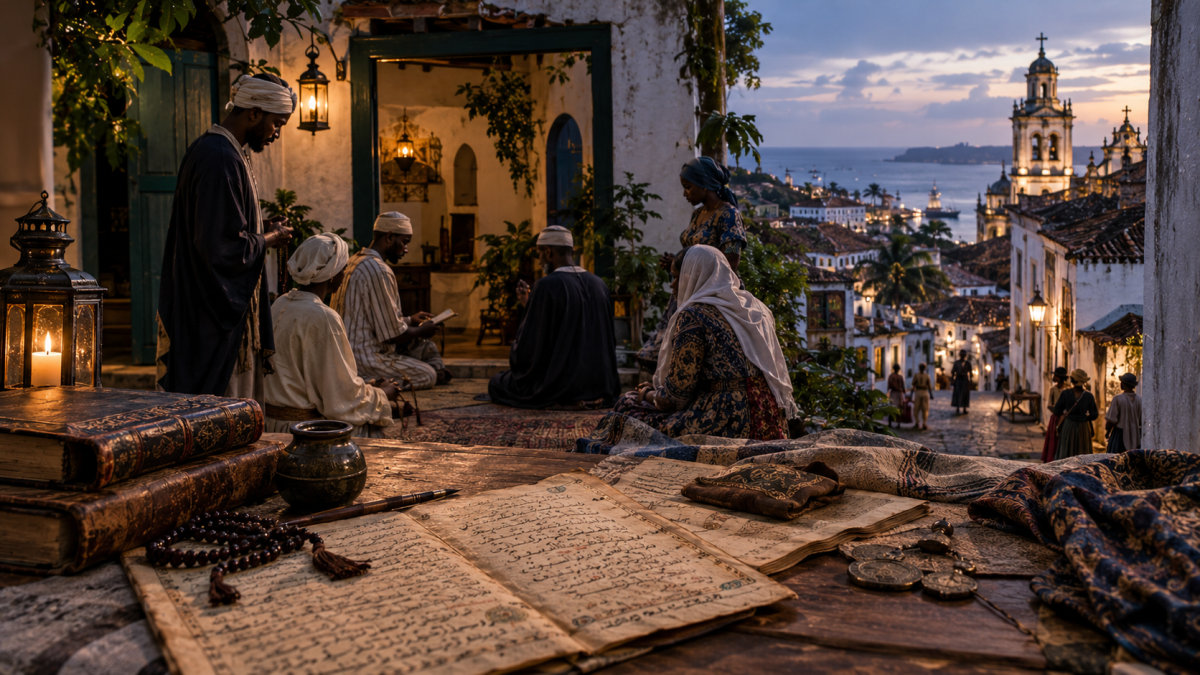
The Arab and Spanish cultures have a rich history of intellectual and philosophical exchange that spans centuries, reflecting the ongoing interaction between civilizations. Through the Arab philosophers who influenced European thought to the mutual influences that shaped both cultures, the shared philosophical traditions demonstrate how ideas have contributed to the development of global thought.
Arab Philosophers
During the Islamic Golden Age, several Arab philosophers emerged who had a significant impact on European thought. Among them, Avicenna (Ibn Sina) and Averroes (Ibn Rushd) are prominent figures. Avicenna provided insights into medicine and philosophy, while Averroes contributed to the interpretation of Aristotle's works, helping to revive Greek philosophy in Europe.
Influence on European Thought
Arab philosophers profoundly influenced medieval thinkers in Spain and Europe. Thomas Aquinas and Augustine of Hippo utilized the ideas of Averroes in their writings, contributing to the formation of Christian philosophical thought. These intellectual exchanges served as a bridge between cultures, promoting mutual understanding and respect between civilizations.
Cultural Integration
During the Al-Andalus period, Muslims, Christians, and Jews enjoyed a rich cultural coexistence that led to the exchange of philosophical ideas. Philosophical schools like the School of Toledo were important centers for translation and intellectual interaction. This cultural integration affected literature, art, and sciences, enriching the cultural heritage of both Arabs and Spaniards.
Shared Values
The Arab and Spanish cultures share a set of common values, including the importance of knowledge, the pursuit of wisdom, and the emphasis on ethical values. Arab and Spanish philosophies reflect similar concerns regarding justice, freedom, and morality, facilitating intercultural dialogue.
Conclusion
The shared philosophical traditions between Arab and Spanish cultures stand as a testament to the power of thought to transcend cultural boundaries. Through the exchange of ideas and mutual respect, these traditions have continued to influence global thought. Today, as we explore this shared heritage, we can learn much from the values and insights that remain relevant in our contemporary world.