High in the Andes Mountains, where the air thins and the horizon stretches endlessly, Bolivia holds one of the most fascinating yet overlooked chapters of human history. Far from being just a land of dramatic landscapes, it was once home to complex and highly developed civilizations long before European arrival. While the Inca Empire is widely known, earlier cultures such as Tiwanaku laid the foundations for what would become one of the most sophisticated societies in the Americas.
Tiwanaku: A Civilization Before the Incas
Long before the rise of the Inca Empire, the civilization of Tiwanaku flourished in the Altiplano near Lake Titicaca. Reaching its peak between 500 and 1000 CE, Tiwanaku was one of the most influential cultural centers in South America.
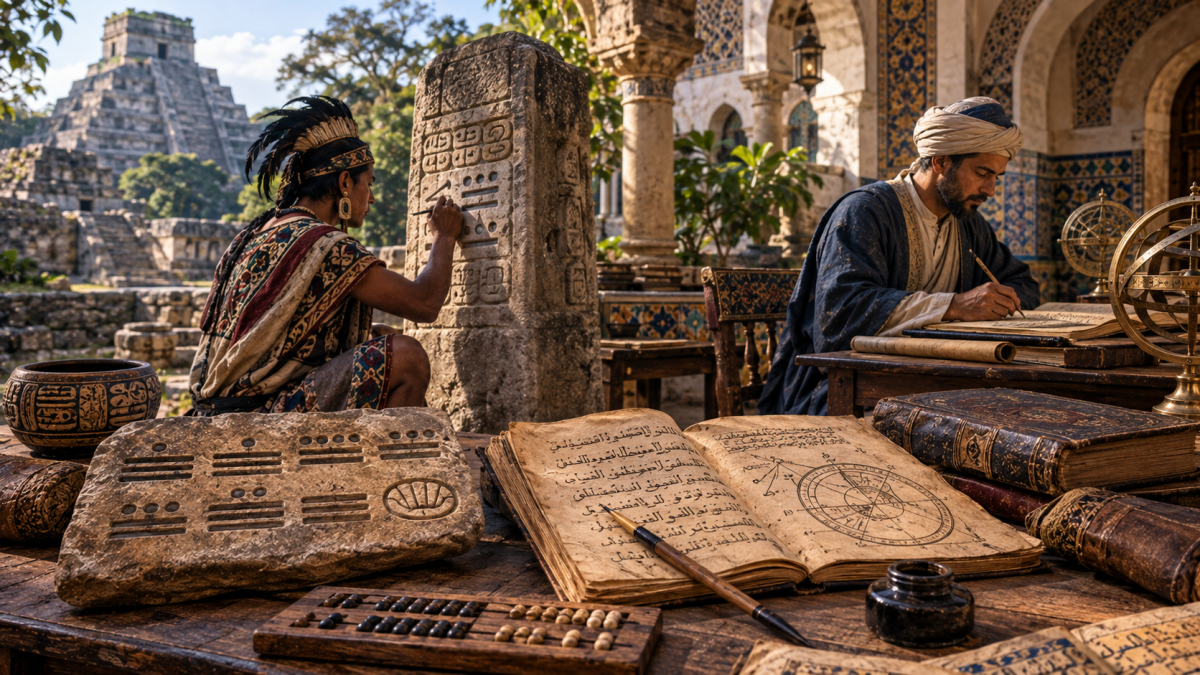
What makes Tiwanaku remarkable is its architectural precision. Massive stone blocks—some weighing several tons—were cut and assembled with extraordinary accuracy. One of its most iconic structures is the “Gateway of the Sun,” intricately carved with symbols believed to represent cosmological or calendrical systems.
Despite its achievements, much about Tiwanaku remains a mystery. Scholars continue to debate how such engineering feats were accomplished and why the civilization declined. Some theories point to climate change, while others suggest internal social or political shifts.
From Tiwanaku to the Inca Empire
With the decline of Tiwanaku, its cultural and technological legacy did not disappear. Instead, it evolved through successive Andean societies, eventually contributing to the emergence of the Inca Empire.
By the 15th century, the Incas had established one of the largest and most organized empires in pre-Columbian America. Their influence extended across much of modern-day Bolivia, integrating local populations into a highly structured administrative system.
The Inca Empire: Innovation in a Harsh Environment
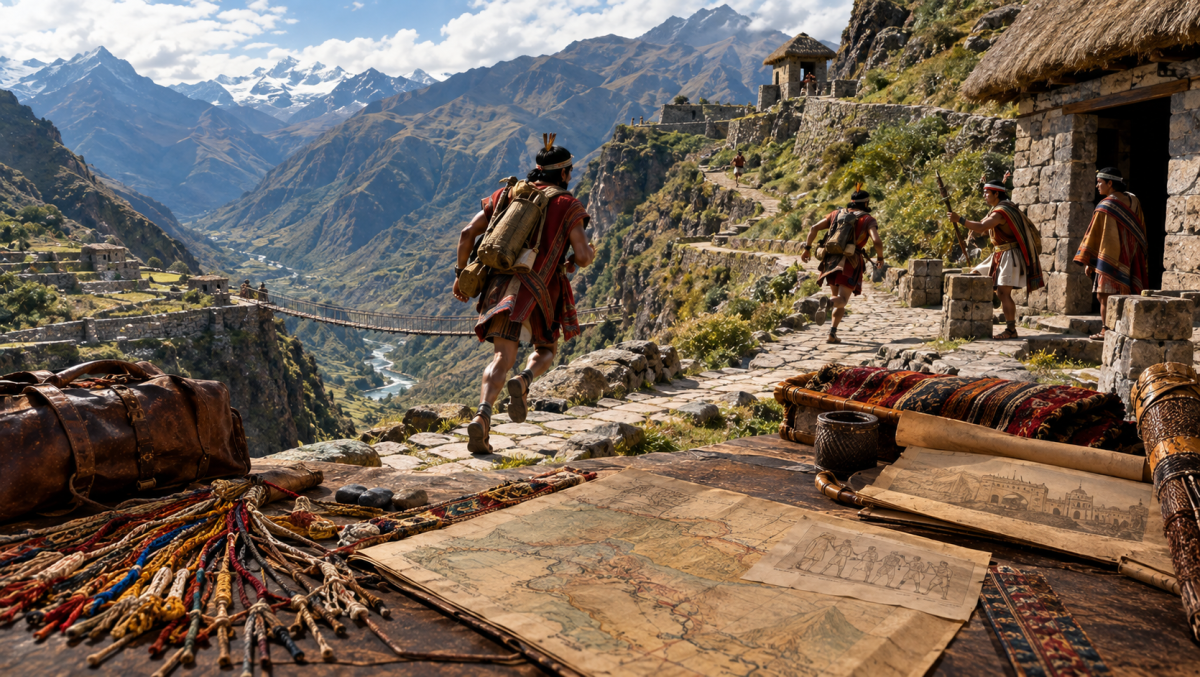
The Incas demonstrated remarkable adaptability in one of the world’s most challenging environments. They developed advanced agricultural systems based on terraces, allowing them to cultivate crops on steep mountain slopes while efficiently managing water resources.
In addition, they built an extensive network of roads that connected distant regions of the empire. This infrastructure enabled communication, trade, and centralized governance without the use of modern technology.
Their economy was based on labor and reciprocity rather than currency. Communities contributed work to the state, which in turn redistributed resources, ensuring a degree of social balance.
A Worldview Rooted in Nature
Both Tiwanaku and Inca civilizations shared a deep spiritual connection with nature. Mountains, rivers, and celestial bodies were not merely physical elements but sacred entities.
In the Inca belief system, Inti (the sun god) held a central role, but was part of a broader network of deities tied to natural forces. This worldview emphasized harmony between humans and their environment, offering a stark contrast to modern industrial perspectives.
Spanish Conquest: Disruption and Erasure
The arrival of Spanish conquistadors in the 16th century marked a turning point. The conquest brought not only political domination but also cultural disruption.
Temples were destroyed, traditions suppressed, and indigenous knowledge systems marginalized. Over time, European narratives came to dominate historical accounts, pushing Andean civilizations to the periphery of global history.
Why Is This History “Forgotten”?
Despite their significance, these civilizations remain underrepresented in mainstream historical narratives. Several factors contribute to this:
- The dominance of Eurocentric perspectives in global history.
- Limited written records compared to other ancient civilizations.
- The historical marginalization of indigenous communities in Latin America.
In recent years, however, there has been a growing effort to rediscover and reevaluate these cultures.
Lessons from Andean Civilizations
The legacy of these societies offers valuable insights for the modern world:
- Sustainable living can be achieved through harmony with nature.
- Social organization can prioritize cooperation over competition.
- Progress is not solely defined by technological advancement.
- Cultural memory is essential for identity and continuity.
Conclusion
The civilizations of Tiwanaku and the Inca Empire in Bolivia are not merely remnants of the past—they represent alternative ways of understanding society, nature, and human purpose.
In a world facing environmental and social challenges, their legacy invites us to rethink dominant models of development and rediscover values rooted in balance, community, and respect for the natural world.