A crossroads, a hub of maritime trade, and a bridge connecting two continents: Panama is described by many slogans, all sharing one common element—the Canal. This engineering marvel, though relatively recent in history, has placed the country at the heart of the global economic landscape. However, to understand modern Panama, one must look at its geological past.
Three million years ago, tectonic movements and volcanic activity gave rise to a narrow strip of land known as the Isthmus, which connected the landmasses of North and South America while separating the waters of the Caribbean Sea from the Pacific Ocean.
Initially, this region was home to numerous indigenous peoples who lived collectively and nomadically, searching for resources and crops. Today, seven of these groups still exist, protected by a network of public policies specifically designed for them.
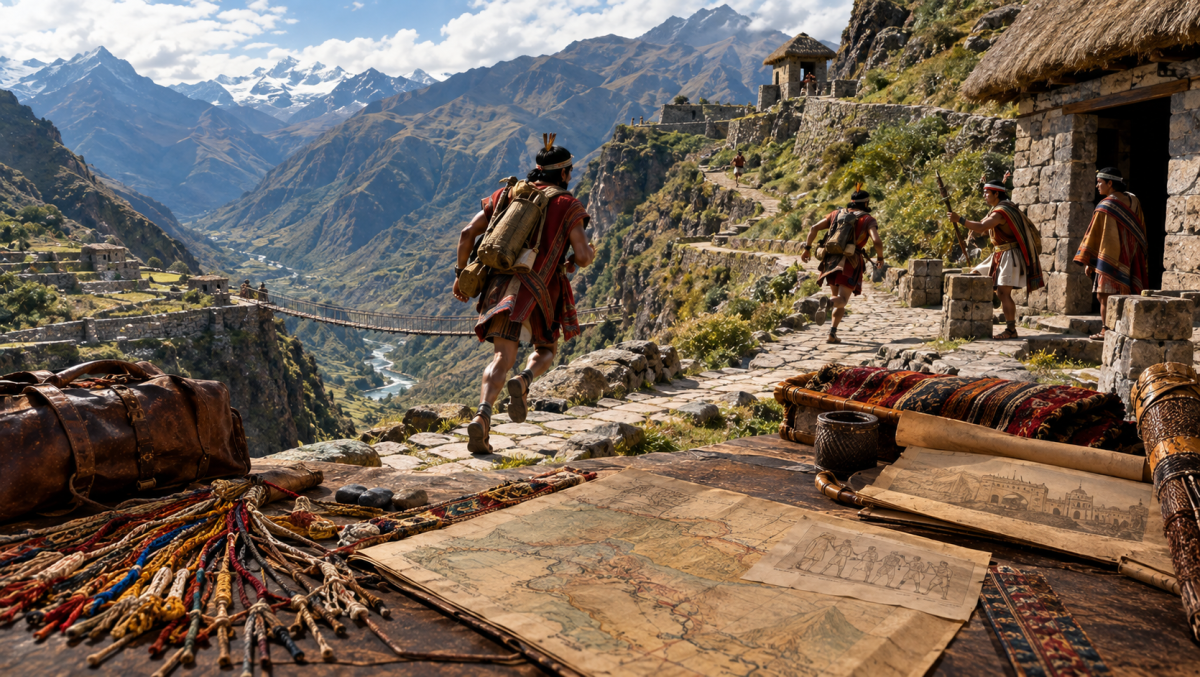
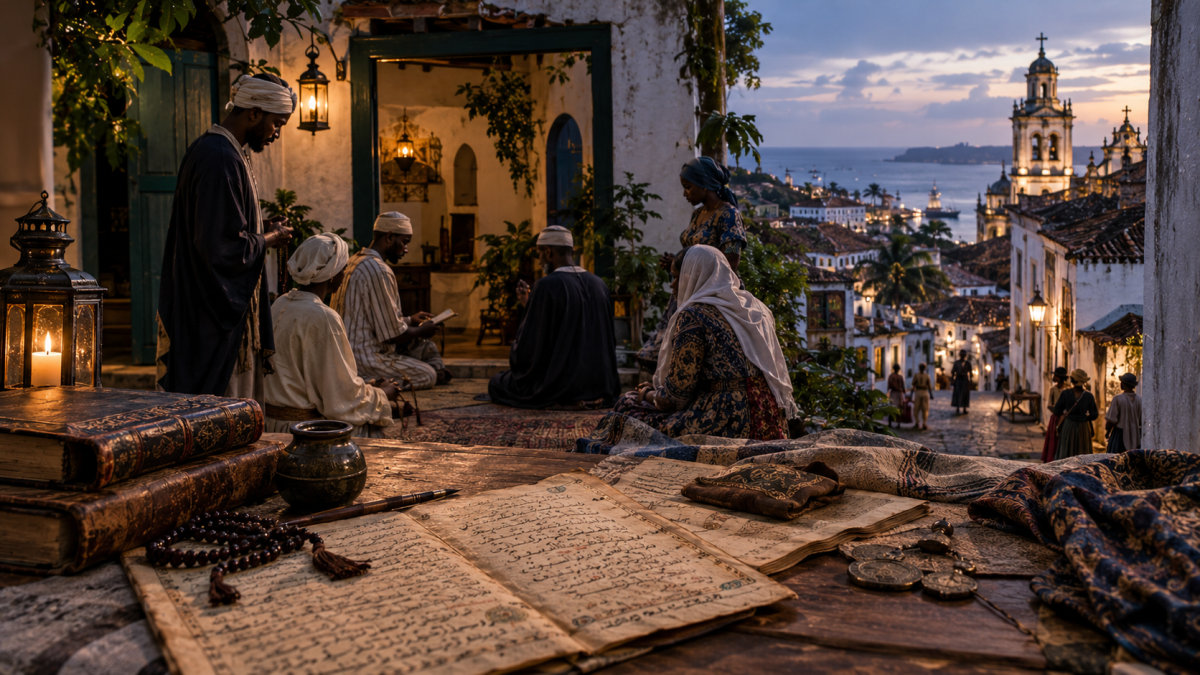
In the early 15th century, Panama was the first region reached by Christopher Columbus. One of the country's major cities bears his name, and he established a colony on Colón Island, the main island of the Bocas del Toro archipelago. From what is now Panama City, Vasco Núñez de Balboa first laid eyes on the Pacific Ocean. During the colonial period, the majority of wealth extracted from the Americas passed through these lands on its way to Spain. Francisco Pizarro, who conquered the Inca Empire in Peru, transported vast quantities of gold to the Caribbean port of Portobelo in Panama.
Although Portobelo was well-fortified and protected from the north, it could not withstand attacks by English pirates, particularly Henry Morgan. This sailor, operating under the British Empire, was lured by the glitter of American riches. He besieged Portobelo, demanded a hefty ransom, and after securing his plunder, invaded and burned Panama City, leaving what is now known as "Panama Viejo" in ruins.
In November 1821, the wave of independence sweeping through Latin America reached Panama. The Spanish army, aware it could not resist popular will—especially with the potential support of Simón Bolívar’s forces—agreed to a non-aggression pact. General José de Fábrega led Panama's independence. However, due to economic instability and the people's admiration for Bolívar, Panama joined Gran Colombia.
During its time as part of Gran Colombia, which was governed from Bogotá, Panama experienced its own "gold rush" in the mid-19th century. Thousands of Americans, known as the "Forty-Niners" (after the year 1849), chose Panama as a safe route to California. This activity led to the establishment of the Panama Railroad in 1855 by an American company. Travelers would dock at Portobelo, cross the country by train to Panama City, and then continue their journey by ship across the Pacific.
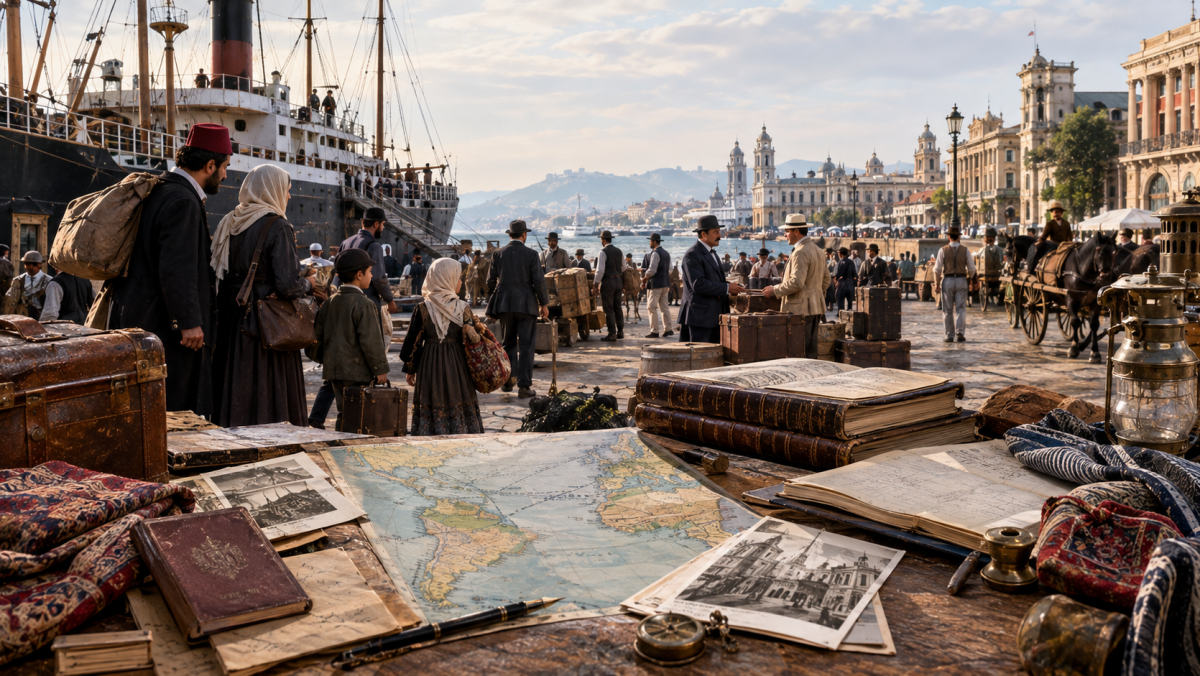
By the late 19th century, the first idea of building a canal connecting the two oceans emerged, aiming to facilitate trade between the Americas and Europe. French engineer Ferdinand de Lesseps led the initial project but failed. The U.S. administration under Theodore Roosevelt learned from his mistakes, pushed for Panama's independence in 1903, and successfully opened the Canal in 1914.
After gaining independence, Panama experienced steady democratic development, which was interrupted by a military coup in 1968, leading to a 21-year dictatorship. Today, Panama is no longer known only for its famous canal but is also striving to develop other industries, with a focus on tourism as a key sector for its future. Modern Panama is more than just a canal—it is beaches, mountains, forests, culture, and environmental diversity. It is its hospitable people and one of the most biodiverse countries on Earth.