Pablo Neruda, born Ricardo Eliécer Neftalí Reyes Basoalto on July 12, 1904, in Parral, Chile, was the son of a railroad worker. He attended schools in Temuco and later the Instituto Pedagógico in Santiago. Neruda’s poetic and political careers were deeply intertwined, reflecting the turbulent times he lived through. In 1955, he married Matilde Urrutia, the muse for much of his love poetry, including The Captain’s Verses. He died in 1973 at the age of 69.
Neruda served as a Chilean diplomat from 1927 to 1944, holding posts in Rangoon, Colombo, Batavia, Buenos Aires, Siam, Cambodia, Annam, Madrid, and Mexico City. His political career took a dramatic turn when, elected as a Communist senator in 1945, he publicly opposed the authoritarian measures of President Gabriel González Videla. Videla, initially supported by the left, soon turned against communists and leftists, censoring Congress and imprisoning thousands of workers and political opponents, including many sent to camps under the future dictator Augusto Pinochet. Neruda’s vocal denunciations led to his exile in Mexico, marking a significant chapter in his life.
During exile, Neruda traveled across Europe and Asia, and his poetry evolved, developing a bold new voice. His monumental work Canto General emerged as an epic and lyrical retelling of Latin American history from the perspective of the oppressed, reclaiming a narrative often distorted by colonial powers. His poetry reflected his deep commitment to social justice and resistance against oppression.
Neruda’s connection between poetry and political struggle was never more evident than during the Spanish Civil War (1936–1939). Arriving in Madrid in 1934 as a consul, Neruda entered a charged cultural environment where writers and intellectuals, including Federico García Lorca, rallied to defend the Spanish Republic against rising Fascism. The civil war was brutal; Lorca, a close friend of Neruda and a symbol of poetic voice, was executed by Fascist forces in 1936. This event profoundly affected Neruda, compelling him to abandon introspective and metaphysical poetry for urgent, direct verse aimed at mobilizing resistance.
Neruda’s poem “I Explain Some Things” vividly captures the horrors of war and the urgency of speaking out. Its repeated calls to witness the bloodshed and destruction reflect a poetry transformed into a tool for action, no longer merely aesthetic but politically charged. Throughout the war, Neruda wrote poems published and distributed among Republican soldiers, fueling their morale and resistance. The Spanish Civil War is often called the “Poets’ War” because of the significant role poets like Neruda played in the cultural battle against Fascism.
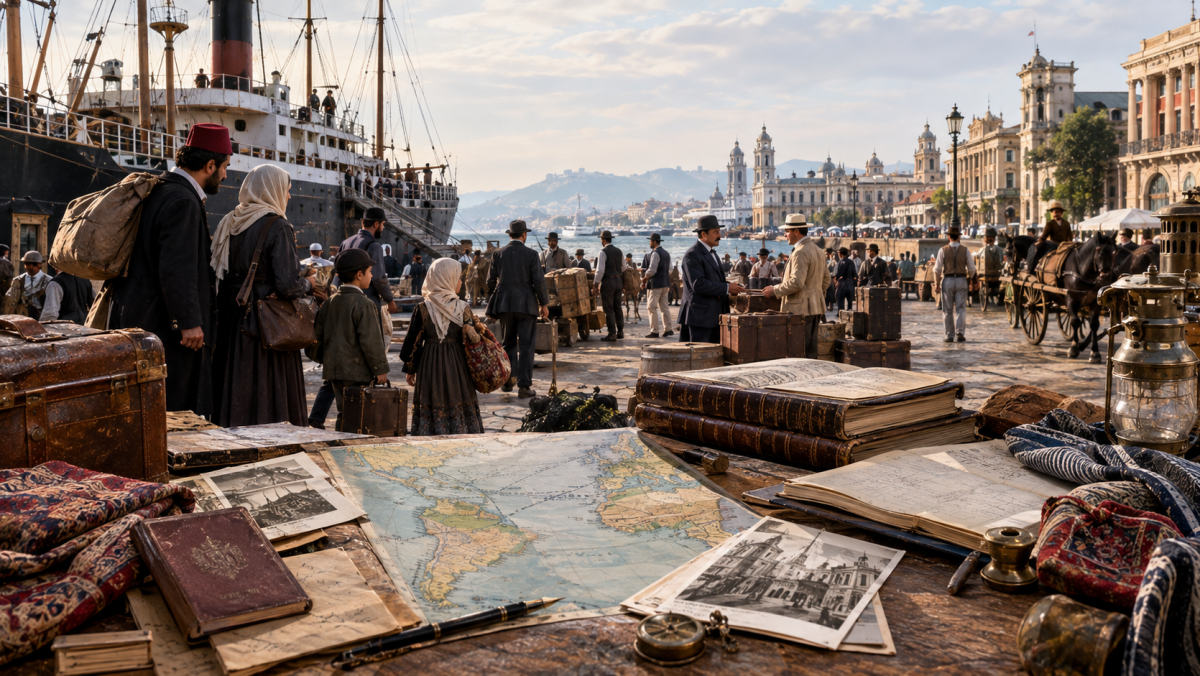
After the fall of the Spanish Republic, Neruda continued his activism in Paris, organizing writers in support of the Republican cause. With the help of British activist Nancy Cunard, he helped publish The Poets of the World Defend the Spanish People, with proceeds supporting Republican fighters. Despite opposition from the Chilean government, Neruda remained committed to aiding refugees. In 1939, he orchestrated the transport of over two thousand Spanish refugees aboard the cargo ship Winnipeg to Chile, a humanitarian act celebrated worldwide.
Neruda’s poetry and activism were inseparable from his historical context. His early work aligned with Chile’s revolutionary student movement, giving voice to a generation challenging the established elite. Later, as ambassador to France, he represented Salvador Allende’s socialist government and defended Chile against U.S. intervention. Neruda’s political engagement shaped not only his life but also his literary output, which won him Chile’s National Prize for Literature and the 1971 Nobel Prize for Literature.
The enduring power of Neruda’s poetry lies in its capacity to inspire collective action. His words have been invoked repeatedly during moments of social upheaval—from anti-war protests in San Francisco to the Arab Spring in Cairo, and the Women’s March in Washington, D.C. Neruda demonstrated how poetry could distill complex emotions and realities, fueling resistance alongside direct political action.
In the face of rising authoritarianism and social injustice today, Neruda’s legacy prompts reflection on poetry’s role in resistance movements. While poems alone cannot halt oppression, they can awaken consciousness, energize movements, and sustain hope. Neruda’s life shows how poetry, combined with grassroots activism, becomes a powerful force for change.
Ultimately, Neruda’s transformation—from introspective poet to fierce activist—exemplifies the vital connection between art and politics. His commitment to “explaining some things” through poetry remains a call to all who seek justice: to speak, to listen, and to act.