Halal Tourism in Mexico: Opportunities and Destinations
When global travelers dream of Mexico, they envision pristine white-sand beaches, ancient Mayan pyramids, lush jungles, and a deeply rich, vibrant culinary tradition. Historically, Mexico has been one of the most visited countries on the planet, drawing tens of millions of tourists primarily from the United States, Canada, and Europe. However, as the global travel industry rapidly evolves, Mexico is actively pivoting to welcome a new, rapidly expanding, and highly lucrative demographic: the Muslim traveler. The rise of Halal tourism in Mexico represents a fascinating intersection of global hospitality, cultural adaptation, and economic foresight, transforming this Latin American powerhouse into a surprisingly accommodating destination for Muslims from the Middle East, Southeast Asia, and the Western diaspora.
Understanding the Halal Tourism Boom
To appreciate Mexico’s strategic shift, one must understand the sheer scale of the global Halal tourism market. Before the pandemic, the Muslim travel sector was growing at a significantly faster rate than the general global tourism industry, driven by rising middle classes in countries like Indonesia, Malaysia, Turkey, and the Gulf Cooperation Council (GCC) nations, as well as second and third-generation Muslims in North America and Europe. Halal tourism is not merely about finding a mosque; it is a comprehensive approach to travel that aligns with Islamic principles. This includes access to certified Halal food, alcohol-free environments, prayer facilities, family-friendly entertainment, and accommodations that provide total privacy for women, particularly regarding swimming pools and spa facilities. Recognizing this immense economic potential, Mexico's tourism boards and private hospitality sectors have begun investing heavily in becoming "Muslim-friendly."
The Role of Halal Certification in Mexico
The foundational step in attracting Muslim tourists is building a trustworthy infrastructure of Halal certification. In recent years, organizations such as the Instituto Halal (Halal Institute) have established a strong presence in Mexico. They work directly with Mexican food producers, restaurants, and hotels to ensure strict compliance with Islamic dietary laws. Because Mexico is already a massive global exporter of agricultural and meat products, adapting local slaughterhouses to Zabiha (Islamic slaughter) standards was a natural economic progression. Today, Mexico exports thousands of tons of Halal-certified beef and chicken to the Middle East. This robust domestic supply chain means that high-end hotels and restaurants in major tourist hubs can easily source authentic, certified Halal ingredients to serve their international guests, creating a seamless dining experience for Muslim travelers who might otherwise struggle to find suitable meals.
Mexico City: A Cosmopolitan Hub for Muslim Travelers
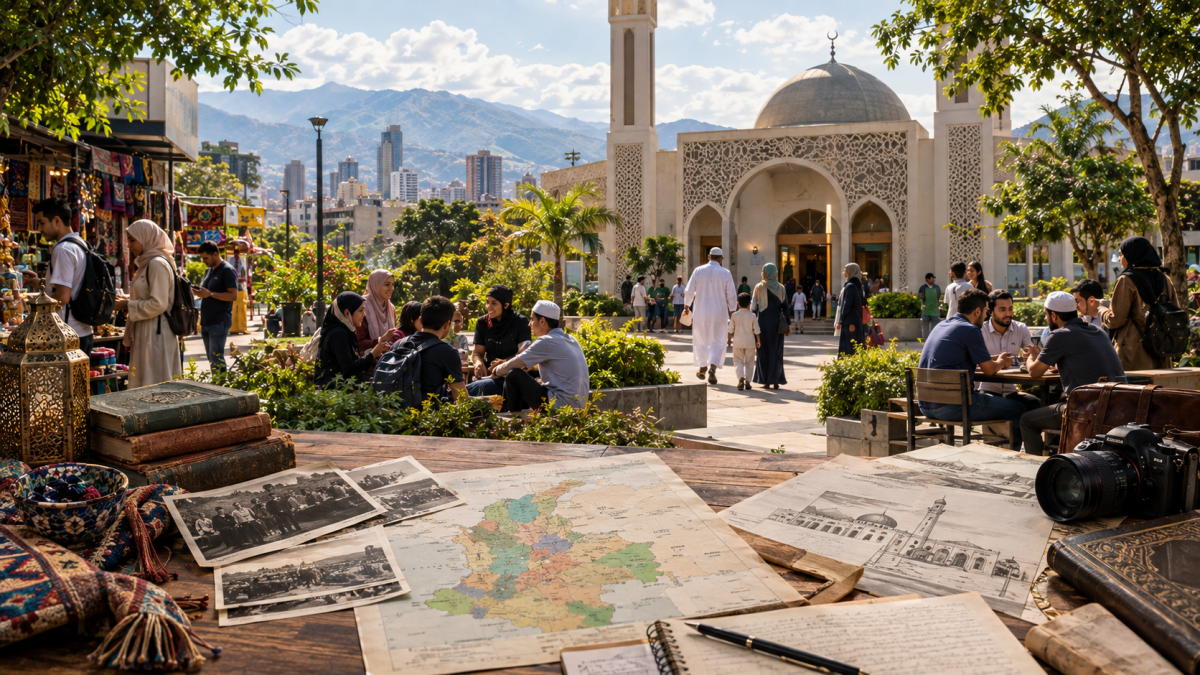
For most international visitors, the journey begins in Mexico City (CDMX), one of the most dynamic and cosmopolitan capitals in the world. Mexico City has aggressively adapted to the needs of Muslim travelers. The city is home to several Islamic centers and mosques, providing easy access to daily prayers and Friday Jum'ah congregations. The upscale neighborhoods of Polanco, Condesa, and Roma boast a growing number of Middle Eastern and Mediterranean restaurants that offer Halal menus, serving everything from authentic Lebanese mezze to Halal-certified versions of international cuisines.
Beyond food and prayer, Mexico City is inherently appealing to Muslim families due to its massive array of cultural, historical, and family-oriented attractions. The National Museum of Anthropology, the historic center of the Zócalo, and the ancient ruins of Teotihuacán just outside the city offer profoundly enriching experiences that do not revolve around the nightlife or drinking culture, perfectly aligning with the values of family-focused Islamic travel.
The Riviera Maya and Cancun: Luxury and Privacy
While Mexico City offers urban culture, the Riviera Maya and Cancun offer the ultimate tropical escape. Historically, beach destinations have presented challenges for observant Muslims, particularly concerning modest swimwear and privacy. However, luxury resorts along the Yucatan Peninsula are rapidly adapting. Many high-end, all-inclusive resorts now offer "Muslim-friendly" packages upon request.
These tailored experiences often include removing all alcohol from the hotel room minibar before the guest's arrival, providing prayer mats and Qibla directions, and offering specialized Halal room service menus. Furthermore, the Riviera Maya is famous for its boutique, ultra-luxury eco-resorts that feature private villas with secluded, high-walled plunge pools. These villas are highly sought after by Muslim families and honeymooners, as they allow women who observe hijab to swim, relax, and enjoy the tropical climate in absolute privacy, away from the public eye.
Cultural Bridges: The Moorish Connection
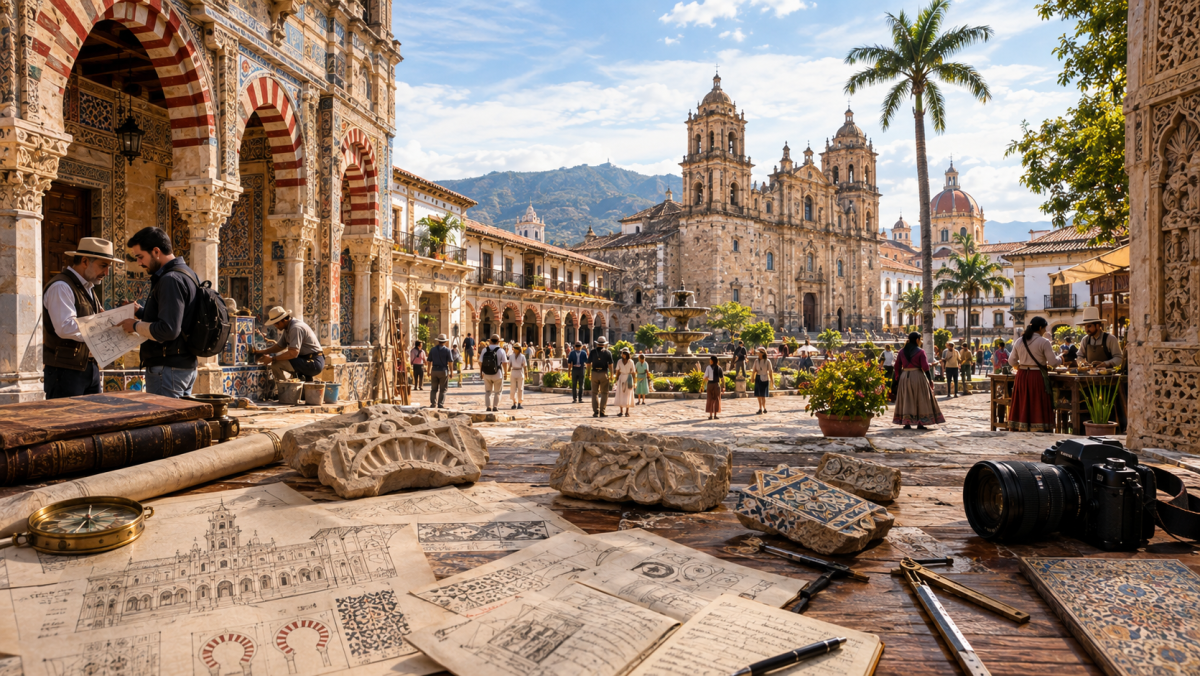
One of the most beautiful surprises for a Muslim traveler in Mexico is the profound, underlying cultural connection between the Arab-Islamic world and Mexican heritage. Thanks to the eight centuries of Moorish rule in Spain, Spanish colonizers brought a massive amount of Islamic influence to Mexico. Muslim tourists often feel an immediate sense of familiarity when exploring Mexican colonial architecture, which heavily features Mudéjar elements such as geometric tile work (azulejos), central courtyard fountains, and lobed arches.
This cultural bridge extends to the culinary world. The most famous dish in Mexico City, the Taco al Pastor, is a direct descendant of the Middle Eastern shawarma, brought to Mexico by Lebanese immigrants in the early 20th century. While traditional al pastor is made with pork, a growing number of Halal-certified taquerias in Mexico City now offer authentic beef or chicken al pastor, allowing Muslim tourists to experience the crown jewel of Mexican street food without compromising their religious beliefs. Furthermore, the deeply ingrained Mexican cultural emphasis on "familismo" (family unity) and extraordinary, warm hospitality perfectly mirrors the core social values of the Islamic world, making Muslim families feel genuinely welcomed and respected.
Looking to the Future
The future of Halal tourism in Mexico is incredibly bright. The national government, alongside private tourism consortiums, is actively participating in international travel expos in Dubai, Riyadh, and Kuala Lumpur to market Mexico as a safe, welcoming, and accommodating destination. Tour operators are creating specialized itineraries that include Halal meals, prayer times, and visits to sites of Moorish architectural influence. By investing in the necessary infrastructure, promoting Halal certification, and leaning into the beautiful historical connections between the Arab world and Latin America, Mexico is successfully positioning itself as the premier destination for Muslim travelers in the Western Hemisphere. The message is clear: Mexico’s doors are wide open, ready to offer its world-renowned hospitality to the global Muslim community.