Today, Belize is a nation with a national identity rooted in a long and complex history, marked by periods of conflict and upheaval that have shaped its contemporary culture. The story of ancient Belize begins with one of the greatest civilizations of Central America, the Maya, who settled in this region thousands of years ago.
The Maya: An Ancient Kingdom Lost Beneath the Forests
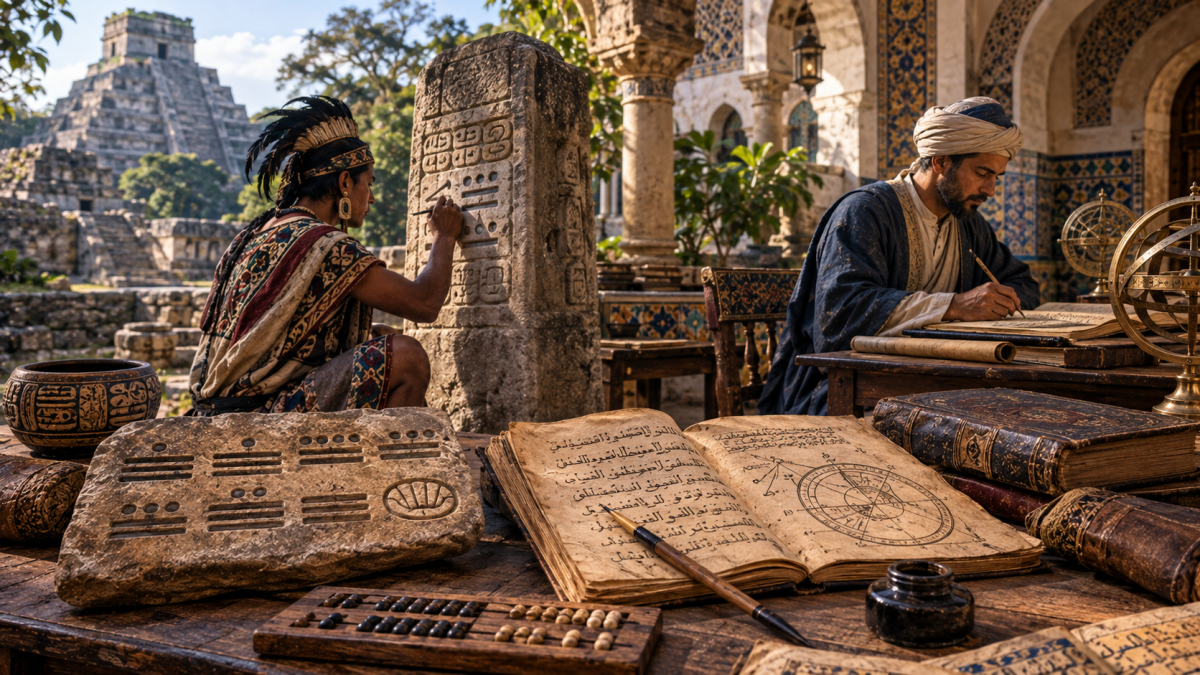
In ancient times, Belize was home to the Maya, one of the most advanced civilizations in Central America. From the 2nd century BCE to around 1500 CE, the Maya thrived in Belize, constructing grand trading cities and religious centers such as "Lamanai" and "Caracol," and building temples and sculptures of remarkable creativity. However, this illustrious civilization collapsed due to several factors, including drought and external aggression. The Maya were organized into kingdoms with complex social and political structures, where the king held both spiritual and political authority, supported by layers of nobles and warriors.
British Colonization: The Rise of the "Baymen"
In the centuries that followed, British colonization reached Belize. In the 17th century, British sailors, known as the "Baymen," began exploiting the region's rich natural resources, such as timber and logwood. After failed Spanish attempts at colonization, the British became the dominant power in the area, especially after the Battle of St. George's Caye in 1798, which solidified British control over Belize. In 1862, Belize became an official colony known as "British Honduras."
Slavery and the Struggle for Independence
During the 19th century, the British used enslaved Africans in the timber industry, creating a new social class of oppressed laborers who began fighting for their rights. In the late 19th century, the migration of refugees from civil wars in Mexico and other parts of Central America added further diversity to Belizean society, helping to shape a distinct national identity.
Independence: A Long Road to Freedom
The British continued to rule Belize until 1981, despite numerous attempts at independence. Despite many challenges, including an ongoing border dispute with Guatemala that persisted even after independence, Belize successfully gained its independence on September 21, 1981. After enduring colonialism, Belize gradually built its political identity through peaceful and long-term movements, avoiding the violent conflicts seen in some Latin American colonies.
Modern Belize: Tourism Economy and the Revival of Maya Culture
After independence, Belize faced numerous economic and social challenges, including transitioning from a raw material export-based economy to one reliant on tourism. Ecotourism and the rediscovery of Maya culture became integral to modern Belizean identity. Legal protections for over 40% of the country's land, including tropical forests and beaches, helped make tourism a major revenue source.
In recent decades, Belize has gained global recognition for significant Maya archaeological discoveries, including sites uncovered using satellite technology. These discoveries have renewed interest in Maya culture, helping to restore its traditions and ways of life. Today, the people of Belize celebrate their Maya heritage as part of their identity, attracting millions of tourists to explore this rich history.
Current Challenges: Coexistence and Future Aspirations
Despite its tourism and economic growth, Belize still faces significant challenges, such as poverty, social inequality, and environmental threats. Additionally, border tensions with Guatemala have not entirely disappeared, and internal unity remains crucial given the country's significant ethnic diversity.
However, there is no doubt that Belize today is a nation with a strong identity. It is a young country despite its long history, striving to find a balance between preserving its cultural heritage and leveraging the economic opportunities offered by sustainable tourism. Belize remains one of the most exciting tourist destinations in Central America, with a unique blend of ancient history and natural beauty.